
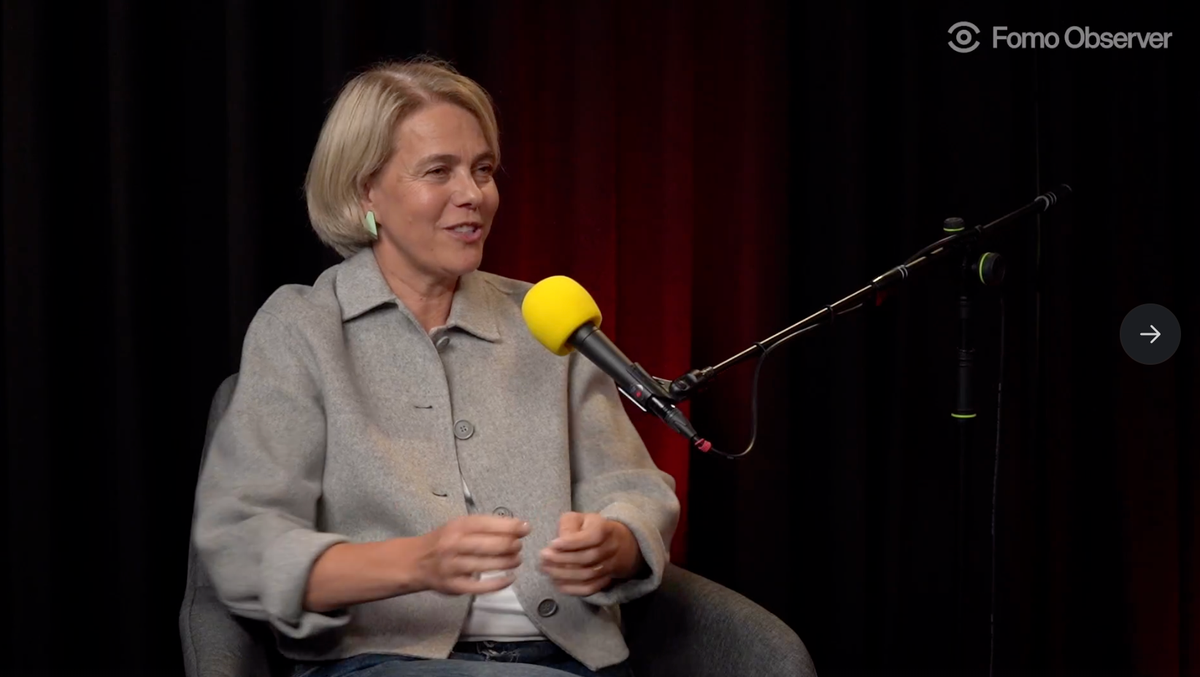
Long before she became a trailblazer in tech regulation and the founder of global startup investment platform Funderbeam, Kaidi Ruusalepp was navigating the dense pine forests of South-Eastern Estonia. Growing up in the small town of Põlva during the late Soviet era, her childhood was shaped by sports, resilience, and an unexpected discipline: orienteering.
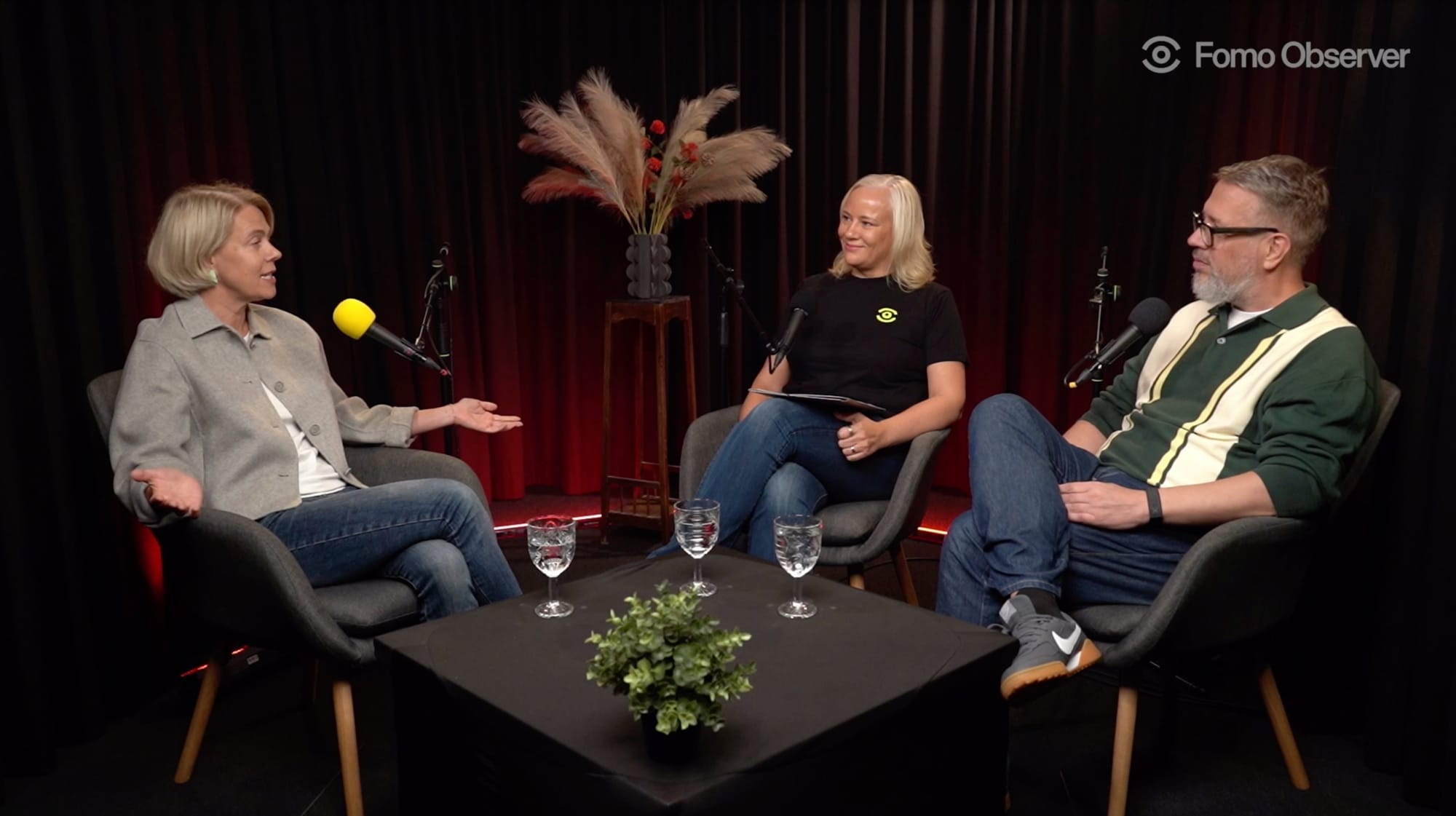
"Back then, it didn't matter if I was five years old or ten years old; we couldn't imagine a free world around us," Ruusalepp recalled on the Fomo.Observer podcast. "We couldn't imagine that one day, actually, we could travel, we could study abroad, we could do business abroad."
Yet, navigating the countryside with a map and compass instilled a pragmatic mindset that defined her future executive career. "Orienteering is about solving problems and finding solutions," she explained.
Breaking new ground in tech and capital markets
After Estonia regained its independence, Ruusalepp went to university and became the nation's first tech lawyer. Her career trajectory rose rapidly. Over an eleven-year tenure working within financial market infrastructure, she led the project for Estonia's funded pension system, managed the central securities depository, and ultimately served as Chief Executive Officer of the Tallinn Stock Exchange under Nasdaq.
Leaving the corporate world to launch Funderbeam, a blockchain-backed funding and secondary trading platform for startups, marked a major pivot.
"In a way, it's freedom, but I would call it a logistical freedom," Ruusalepp said of entrepreneurship. "When you're an entrepreneur, you're the master mainly of your own schedule or agenda. But at the same time, you're also a prisoner of your own company because you can't even go to the lavatory without this company setting you free. So there's this mental freedom which you don't get when you become an entrepreneur, but logistical freedom — this is definitely what you get."
Launching a platform aimed at solving liquidity in early-stage equity markets across Europe was ambitious. Ruusalepp acknowledges that time and location posed steep hurdles.
"For Europe, we were too early," she reflected. "We were like way too early. We started to build a secondary market at a time when investors just started to invest - in Europe, with its 27 member states and all their regulation, that was the hard part. If I were to start again, I would maybe start it in the US."
Navigating adversity and the reality of founder burnout
Building a high-profile financial technology company came with extreme personal and professional strain, particularly as market dynamics shifted and public press scrutiny intensified.
"I may also say that for the last three years of Funderbeam, I was working in totally red," Ruusalepp admitted. "When you wake up Saturday morning, and your stomach is burning, and it's like three years in a row, you can't get out. You're trapped. You're imprisoned."
When she eventually stepped down from her executive role at the firm, the toll was evident. "I had nothing left in me," she said. "For the first four months after leaving the company, I was brain dead. I couldn't think about anything. I killed all my emails, put out-of-office on everything, unsubscribed from wherever I could."
Reflecting on the intense public pressure that founders face when ventures struggle, Ruusalepp urged a shift in cultural perception regarding business failures.
"Media can be very cruel," she noted. "When you make peace with yourself that your personal success is different from the company's success - when the company fails, then you don't fail. I think Estonian society still has to learn that when some companies fail, then the founder doesn’t fail."
A new chapter in hospitality: Forest
Rather than retiring from building ventures, Ruusalepp is applying her entrepreneurial drive to a tangible, physical sector: hospitality.
Her latest endeavour, the Metsa Collection group, centres around developing a Nordic nature hospitality brand, starting with Metsa 7 in Põlva, a project transforming the ageing six-floor site into a boutique wellness and active lifestyle hotel.
"You look at one real estate and you ask yourself, 'Hmm, can I scale it?'" Ruusalepp joked about transitioning from software to physical brick-and-mortar development. "To build any kind of software companies, if it doesn't work out, you simply close it. But in Põlva, you have a site, six floors, you look at it and say, 'Okay, it didn't work out, I can't delete it.'"
Her vision extends beyond one location. Ruusalepp and an international team are laying the groundwork for a broader portfolio across the Nordic region, eyeing potential expansion sites in Norway and Finland with an eventual franchise model.
For Ruusalepp, returning to her roots in South-Eastern Estonia reflects a commitment to building sustainable local value while maintaining a global perspective.
"Despite the society, we still have, luckily, entrepreneurs and founders," Ruusalepp said. "I hope those who have the courage and this entrepreneurial animal in them will be brave enough to let this animal out."
Comments ()