
How a $2,000 fee birthed Garage48 and AI is rewriting the hackathon playbook
TALLINN — In the late 2000s, a 54-hour event format changed how entrepreneurs launched companies, scaling to thousands of events globally before evolving into new corporate entities. Today, the rise of artificial intelligence is prompting a resurrection of the rapid-launch model, with founders no longer needing large teams to build products.
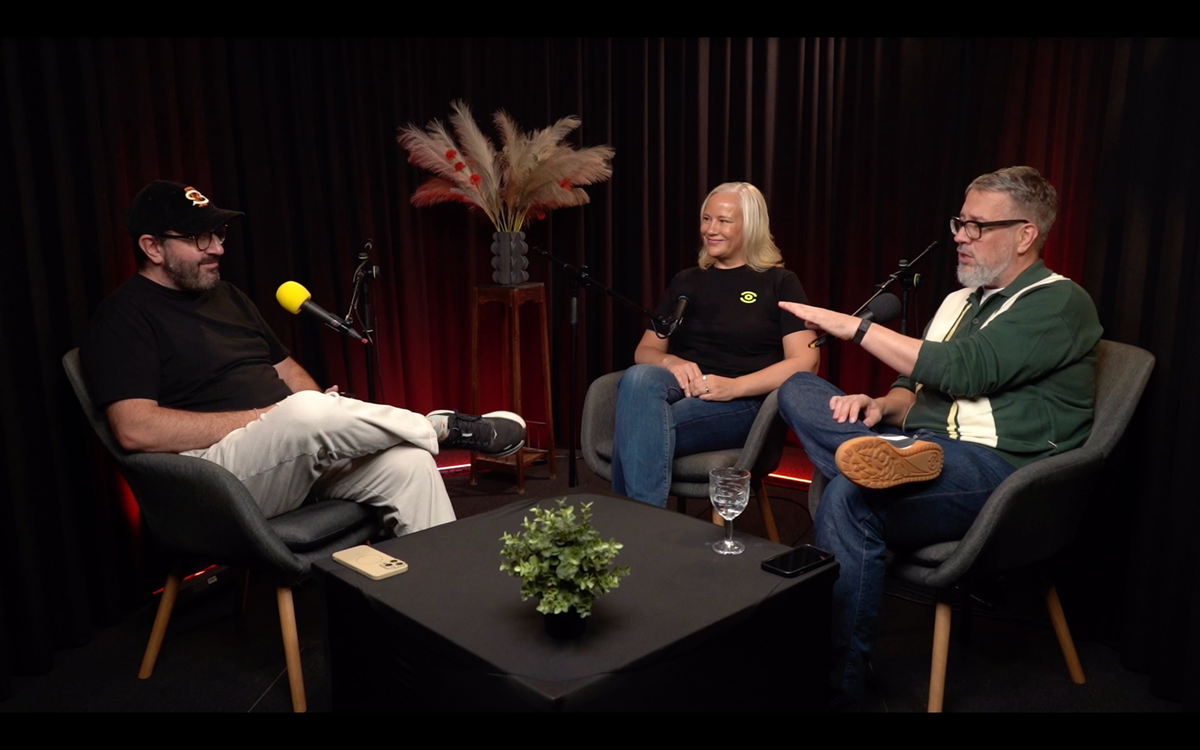
In Fomo.Observer's latest podcast episode, Startup Weekend co-founder Franck Nouyrigat discusses the movement's (sometimes) chaotic history, an unintended collision that birthed Estonia's Garage48, and his vision for the future of hackathons.
The Garage48 collision
Startup Weekend began in Colorado in 2007 under founder Andrew Hyde, originally bringing 100 people into one room to develop a single idea. After taking over, Nouyrigat and his co-founders shifted the model to a non-profit format where participants pitched ideas on Friday and worked through Sunday.
In the early days, the organisation asked local event organisers to pay a $2,000 licence fee to host a Startup Weekend.
This fee led to a direct collision in Estonia. When asked to pay, local organisers pushed back. "I forgot who it was, but pretty much they said 'fuck you guys, I'm gonna do my own version,' and then it became Garage48," Nouyrigat relays on the podcast.
This rejection of the $2,000 licence fee helped to push the creation of Garage48, which became a staple of the Estonian startup ecosystem.
Check out the full episode:
Scaling a non-profit empire
Despite the friction in certain markets, Startup Weekend successfully scaled to host events in 160 countries. The founders used a promotional flight pass from JetBlue and slept on couches to keep costs down and run events internationally in their first year. Eventually, they secured investment from the Kauffman Foundation, a major entrepreneurship-focused organisation that helped fund the expansion.
From there, the non-profit merged with Startup America to form UP Global, and the assets were eventually acquired by Techstars. Nouyrigat talks about exiting a non-profit structure, selling assets, and donating the proceeds to charity.
The resurrection: Cafe 2035
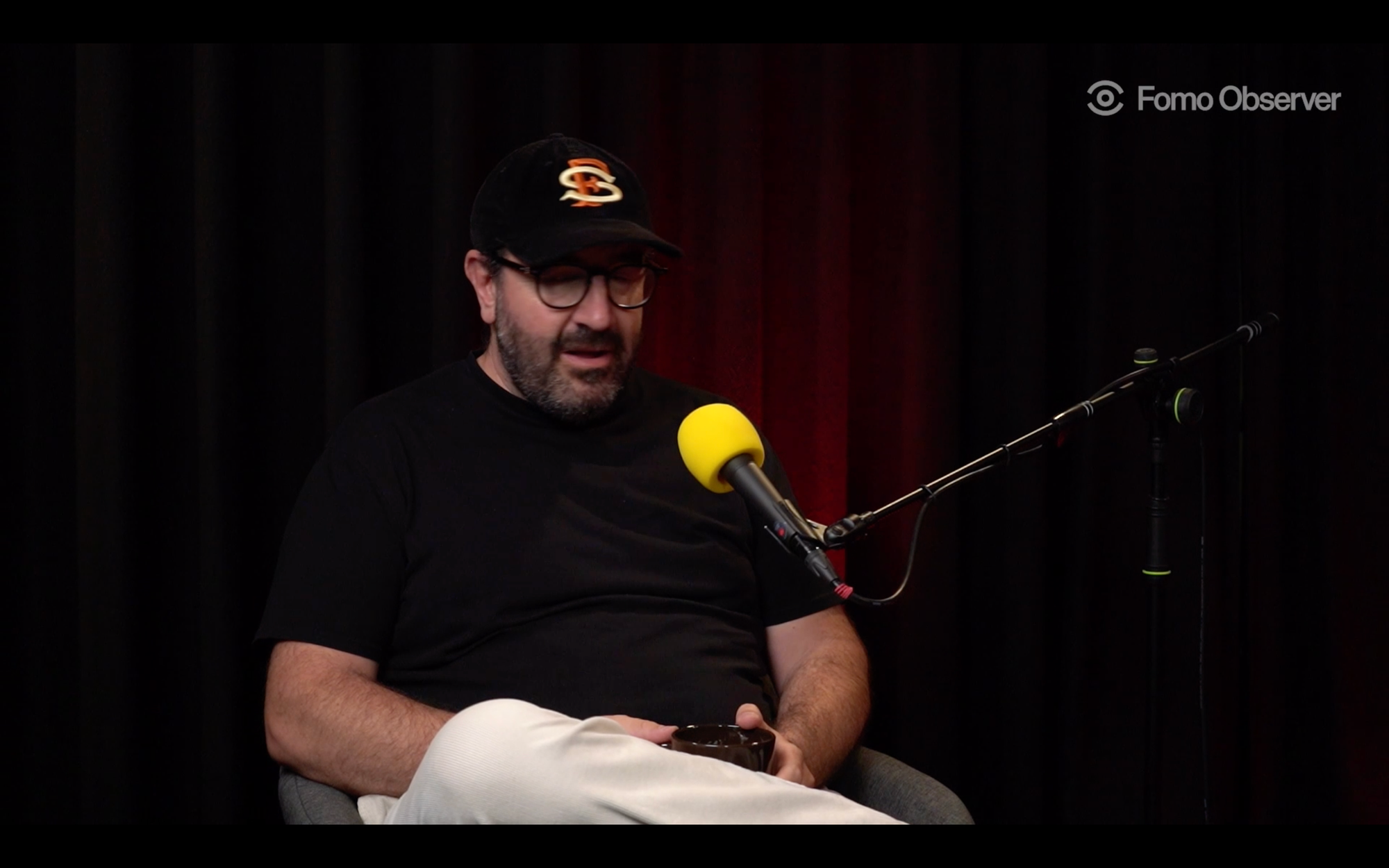
After exploring different ventures and launching several startups, Nouyrigat is now building Cafe 2035, an initiative designed to reboot the startup launch format for an era dominated by artificial intelligence.
Nouyrigat believes the traditional venture capital model is broken and that the industry requires a massive new wave of founders. However, the mechanics of building a company have fundamentally changed. With AI capable of acting as a developer, marketing expert, and data analyst, the barrier to entry has shifted away from needing a large human team.
"The idea now is you don't need a team," Nouyrigat says, adding that solo founders can begin working on ideas immediately with AI assistance.
While AI replaces the technical need for co-founders, Nouyrigat warned that humans still require social connection. Cafe 2035 aims to bring these solo founders together in physical spaces to foster human connection and collaboration, while relying on AI to handle the technical tasks required to launch a business.
"Solo founders don't have to be lonely," Nouyrigat notes, outlining a vision where physical events remain crucial for human networking, even as AI handles the heavy lifting of product development.


Comments ()