
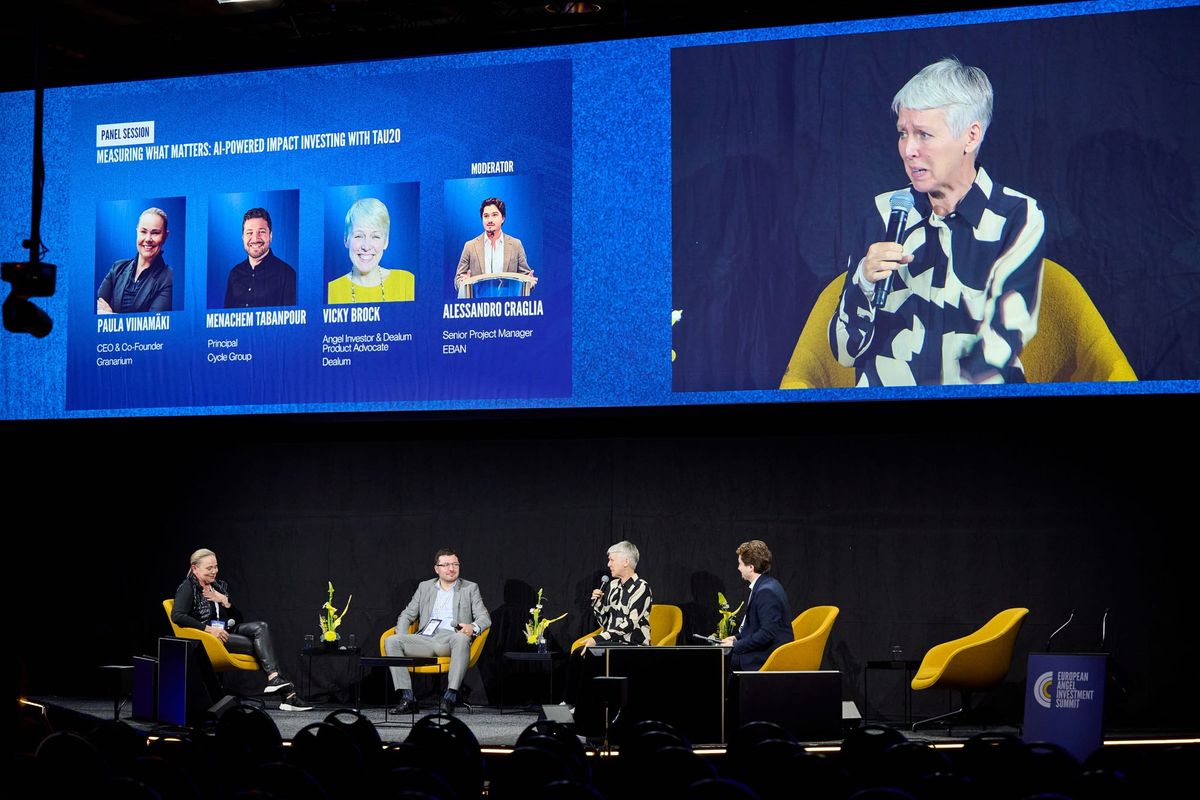
At EBAN’s summit in Luxembourg, Europe was asking how to keep its startups and its returns. Estonia already has some of the answers.
Last week I was in Luxembourg for EBAN’s European Angel Investment Summit and Luxembourg Venture Days. Two days, hundreds of founders, angels, network leads, fund managers and policymakers from the European Commission and the EIF, all in one building. EBAN had brought the early stage investment community together to ask one question: what would it take to build a real single market for European angels and startups?
Two themes kept coming up. One was EU Inc. The other was cross-border investing. On both, Estonia had something to say.
A solution that exists, and one that doesn’t yet
In nearly every mainstage and breakout room conversation, EU Inc was presented as an “either or choice”. Wait for the 28th regime, or go to Delaware.
I understand why. Founders and investors are tired of 27 sets of corporate rules. But as Tarmo wrote here this week, EU Inc is on the ropes. The founders’ open letter says it has been watered down to “just fast incorporation”.
Just fast incorporation. I read that line twice. Many of the founders I met in Luxembourg would love just fast incorporation. I talked to startups from Luxembourg, Germany, France and Switzerland who had lost months just getting their company set up. Not building product. Not selling. Not raising. Months of runway and momentum, gone on paperwork.
Meanwhile Estonia has offered fast, fully digital EU incorporation since 2014. I became an e-resident in 2019 and registered my company, Vistalworks OÜ, the same year. It changed my life and my business.
I’m not the only one. Last year alone 13,828 people became e-residents and they founded 5,556 new companies. More than 39,000 companies have now been set up this way, by people from 185 countries. In 2025 e-residents and their companies brought the Estonian state nearly €125 million, up 87% on the year before. This isn’t a pilot. It’s infrastructure.
A proper European standard, with free choice of registration and stock options that work across borders, would be good for all of us, and I hope it gets there. e-Residency doesn’t solve all of that, and it isn’t for everyone. My frustration was simply that so many founders and angels in the room had never heard of something that already works. That’s an awareness problem, and awareness problems can be fixed.
I’m a proud e-Residency Envoy. It’s unpaid, and I do it because I’ve seen what impact the programme can have first hand. So here’s my ask to Estonia. Let’s stop being so polite. Let’s actively go after these high-potential startups now, especially ones bringing future venture funding and job creation with them, and tell them and their angel investors that they don’t have to wait.
An Estonian voice on the EBAN board
The second theme was cross-border angel investing, and Estonia was on stage for this one too. Lauri Antalainen, President of EstBAN, spoke on the Angel Investing Across Borders panel with France Angels, SIA Angel Hub and the Axel Network, moderated by EBAN’s Director General Martin Skea.
Lauri’s point was simple and I agree with it completely. Estonian angels invest across borders because it gets them better deal flow. A small market that only looks at itself sees a small slice of the opportunities out there.
Everyone says they want cross-border investment when it means inward investment. Fewer are comfortable when the money flows the other way. EstBAN actively looks at international deal flow, and seems comparatively unafraid of cross border investment deals.
The proof was right there at the summit, where Skeleton Technologies was announced as Estonia’s 12th unicorn. For a country of 1.3 million people, that isn’t luck - and the power of that statistic wasn’t lost on the pan-European investment community.
 Fiona Alston
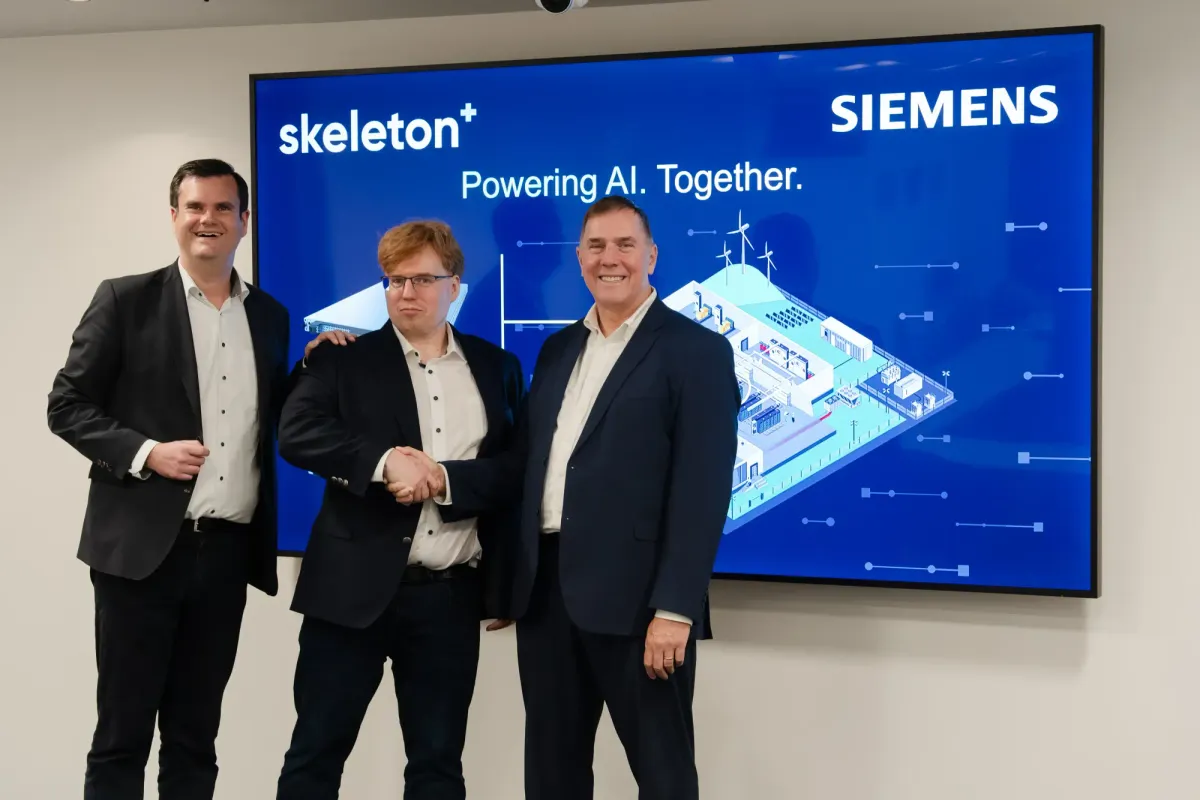
In another big announcement for Estonia, EBAN’s members elected Lauri to the EBAN board for 2026 to 2028. He has led EstBAN for three and a half years, and goes in with three clear priorities. He wants to make it easier for angels to invest together across borders, to turn relationships between angel networks into actual investments, and to encourage more public co-investment schemes alongside private angels.
As a founder turned angel investor, I previously raised my investment in Scotland, where public co-investment has transformed and harmonised angel investing with impressiive economic impact. So I fully agree these are the right priorities.
Congratulations, Lauri. It matters that a small, connected ecosystem like ours has a voice where Europe’s angel agenda gets set. Now let’s make the most of it.
What I measure, and why
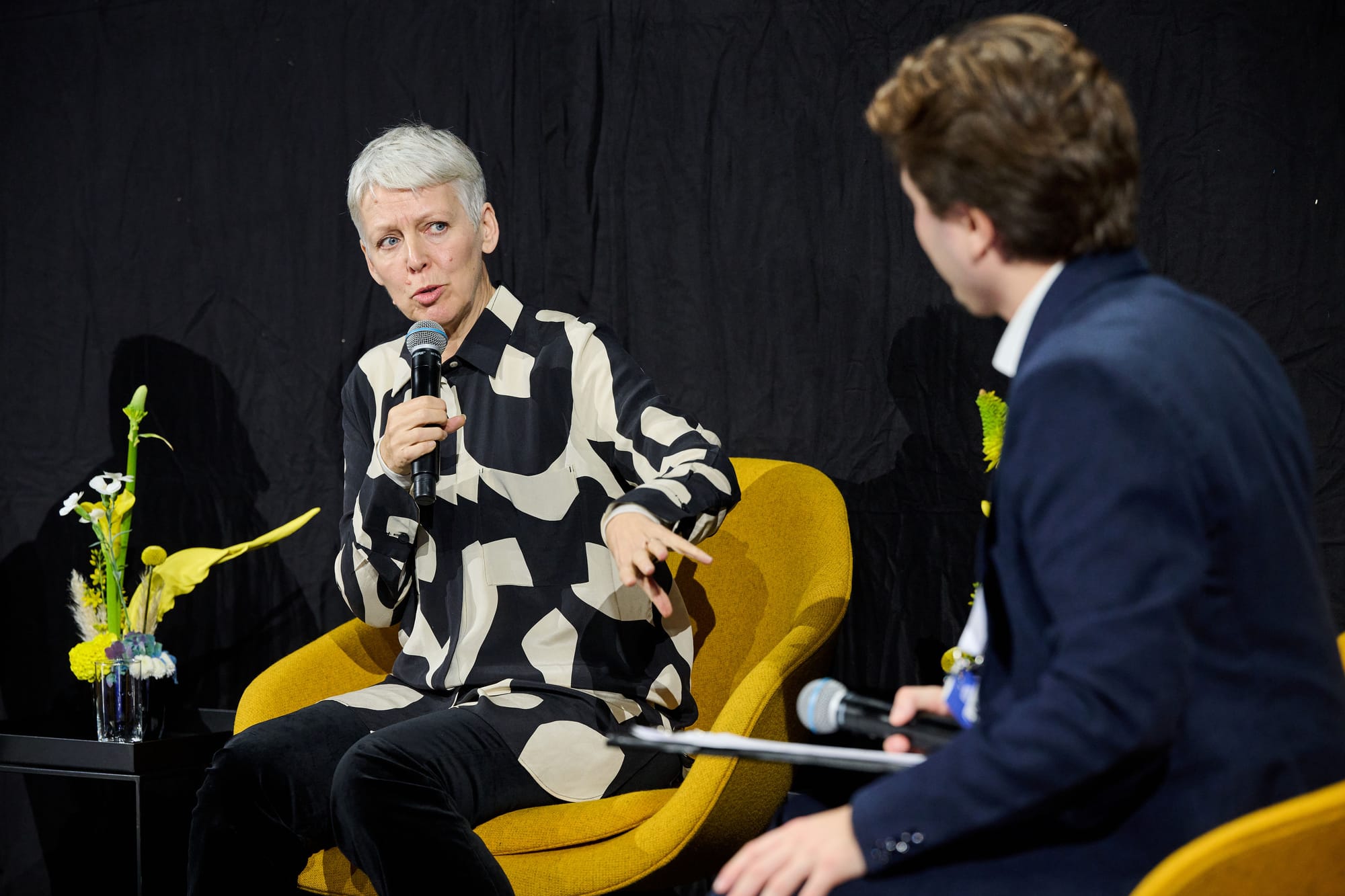
I was in Luxembourg to speak on the Measuring What Matters panel. I invest for positive impact. For me that means local jobs and economic growth, and for-profit businesses that do real good in their community or for society as well as making money. Impact and returns can go together, but I refuse to chase profit at any cost.
But “for good” isn’t a free pass. The first thing I measure is whether this is really an investable business. The second is whether it’s really doing good, or just making the claim as an after thought. Once I’m in, I keep asking the questions I can act on. Does this founder need my help? Does it need money? Is it still on mission? Is there a decision waiting for me? Has it gone quiet?
As an angel I can’t watch a share price and sell when I’m nervous. My portfolio is illiquid and most of my companies won’t have a valuation event for years. So I worked with Dealum, the Estonian-built platform that many of Europe’s angel networks already use, to create Investor Plus. I use it to run my own angel portfolio and talked about this in Luxembourg and wrote more on the Dealum blog.
What I brought home
Under all the policy talk, Luxembourg was really about one thing. Europe wants its early-stage investors, angels and VCs alike, to compete with the US. It wants to keep its successes here, and the returns that come back from them.
There’s a vague hope in the room that EU Inc will stop companies leaving for the US. It won’t. A company structure doesn’t keep a company in Europe. Capital, talent and ambition at home do.
EBAN recognised the tension too. Everyone wants cross-border investment, as long as it flows towards them and not away from them.
This is where Estonia is well placed. e-Residency reaches founders early, long before the VC stage, while where they build is still an open question. And Estonia knows what to do with them. Twelve unicorns from 1.3 million people is remarkable, and it’s repeatable, because so much of the talent and money from each success gets recycled back into the next generation of Estonian startups. That’s how you keep the money and the talent in Europe.
So if the EU wants to hold its own against the US, it doesn’t need to wait for Brussels. Estonia is already showing the rest of Europe how to do it.
If you’re a founder stuck in months of paperwork, or an angel whose portfolio companies are, look at e-Residency. Bring the funding, bring the people, and come and build here.
Vicky Brock is a five-time tech founder, angel investor, Estonian e-Residency Envoy and Golden Aurora Award winner 2026. She leads product for Investor Plus at Dealum.

Comments ()