
After a week in San Francisco with Mesh Collective during Tech Week, I came home convinced that Estonia doesn't need more startup networking. We need to start doing business with each other.
There is something quite ridiculous about San Francisco.
Everything is bigger, louder and more expensive. The hills are absurd, the networking never stops, and you can't even queue at Safeway to buy toothpaste without overhearing someone discussing their latest funding round or how they're going to disrupt an industry you didn't know needed disrupting.
Some of it is a bit much. Quite a lot of it, especially being an Estonian.
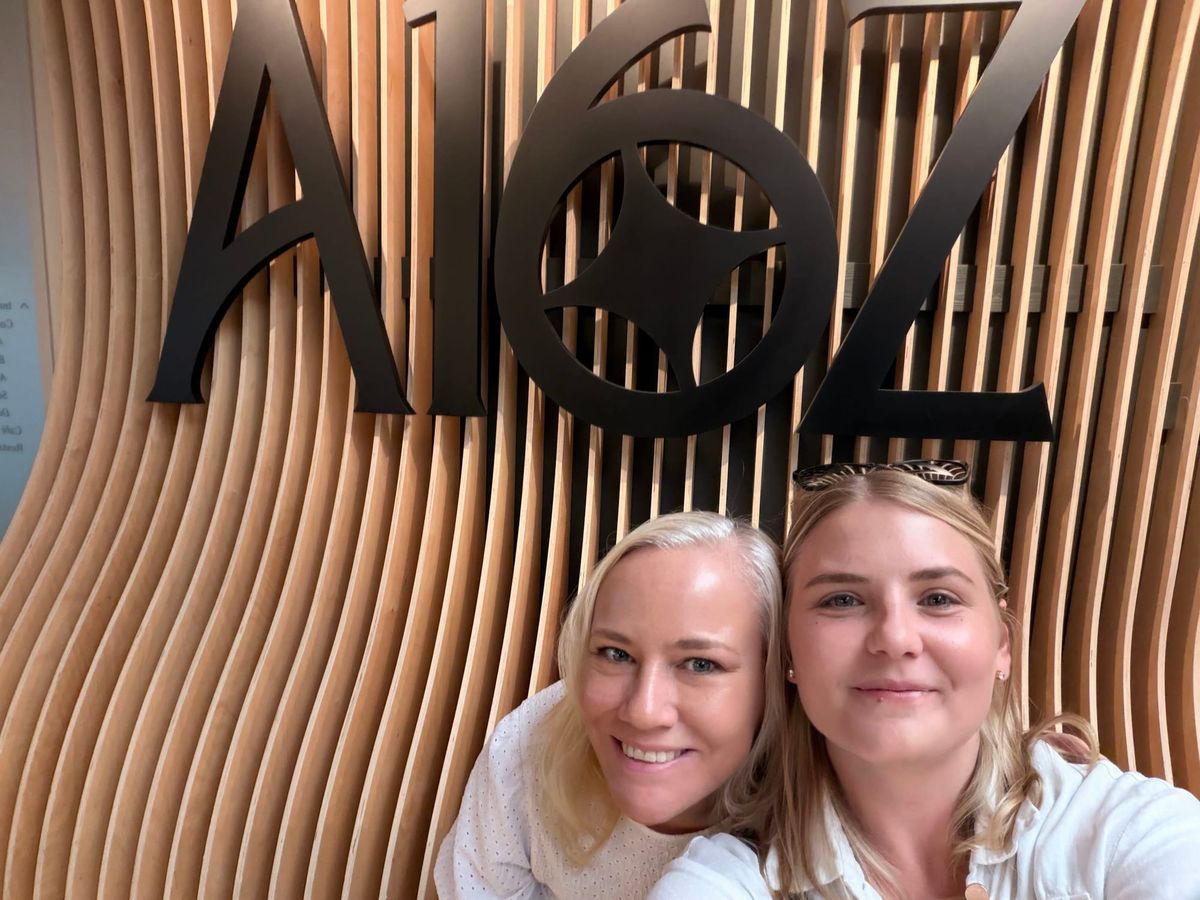
But after a week with Mesh Collective during Tech Week, meeting founders, investors and visiting the offices of a16z, Accel, Creandum and General Catalyst, I started to understand why this place keeps producing companies that change the world.
It's not that the founders are necessarily smarter. Estonia has exceptional talent. The difference is what people believe is possible, and what everyone around them expects them to achieve.
In Estonia, reaching €1 million in annual revenue is a significant achievement. In San Francisco, someone might ask why you're not aiming for €10 million. And they genuinely believe you can do it, because the bloke sitting next to you at WeWork is doing it. His friend did it last year. Someone else just raised $20 million to do something similar. When extraordinary outcomes become part of your everyday environment, they stop feeling extraordinary.
In Europe, they question your valuation. In America, they question your ambition
One of the biggest differences I noticed was in conversations with investors. First, the speed. You reach out, they respond, you have a proper discussion and quite often know relatively quickly whether there's interest.
But what impressed me more was the quality of the questions. I met exceptionally sharp investors who challenged our assumptions about positioning, distribution and long-term competitive advantage.
In Europe, I've been asked whether someone could simply vibe-code our product over the weekend. It's a legitimate concern, but there's a considerable difference between asking whether someone can build similar software and asking why your company will win when everyone can build similar software. One challenges your ability to build a product. The other challenges your ability to build a business.
The approach to ambition was equally interesting. In Europe, conversations often revolve around whether valuations are too high or revenue targets unrealistic. In San Francisco, I heard a different perspective: What if you raised more money? Hired faster? Why aren't you aiming higher?
I've met outstanding European investors too, but the difference in the conversations I experienced was striking. In Europe, we spend a lot of time discussing why something might not work. In Silicon Valley, they seem more interested in how big it could become if it does.
Estonia has 1,500 startups. Why aren't we buying from each other?
Perhaps the most impressive thing about Silicon Valley isn't the money or ambition, but the concentration of talent and people's willingness to help.
Some of the smartest people from around the world have deliberately moved there to build companies. And rather than keeping to themselves, they make introductions, offer advice, test each other's products and genuinely help others get ahead. I was even offered a place to stay on my next visit by someone who had received the same help when they first moved there and wanted to pay it forward.
Which brings me to something that's been bothering me since coming home.
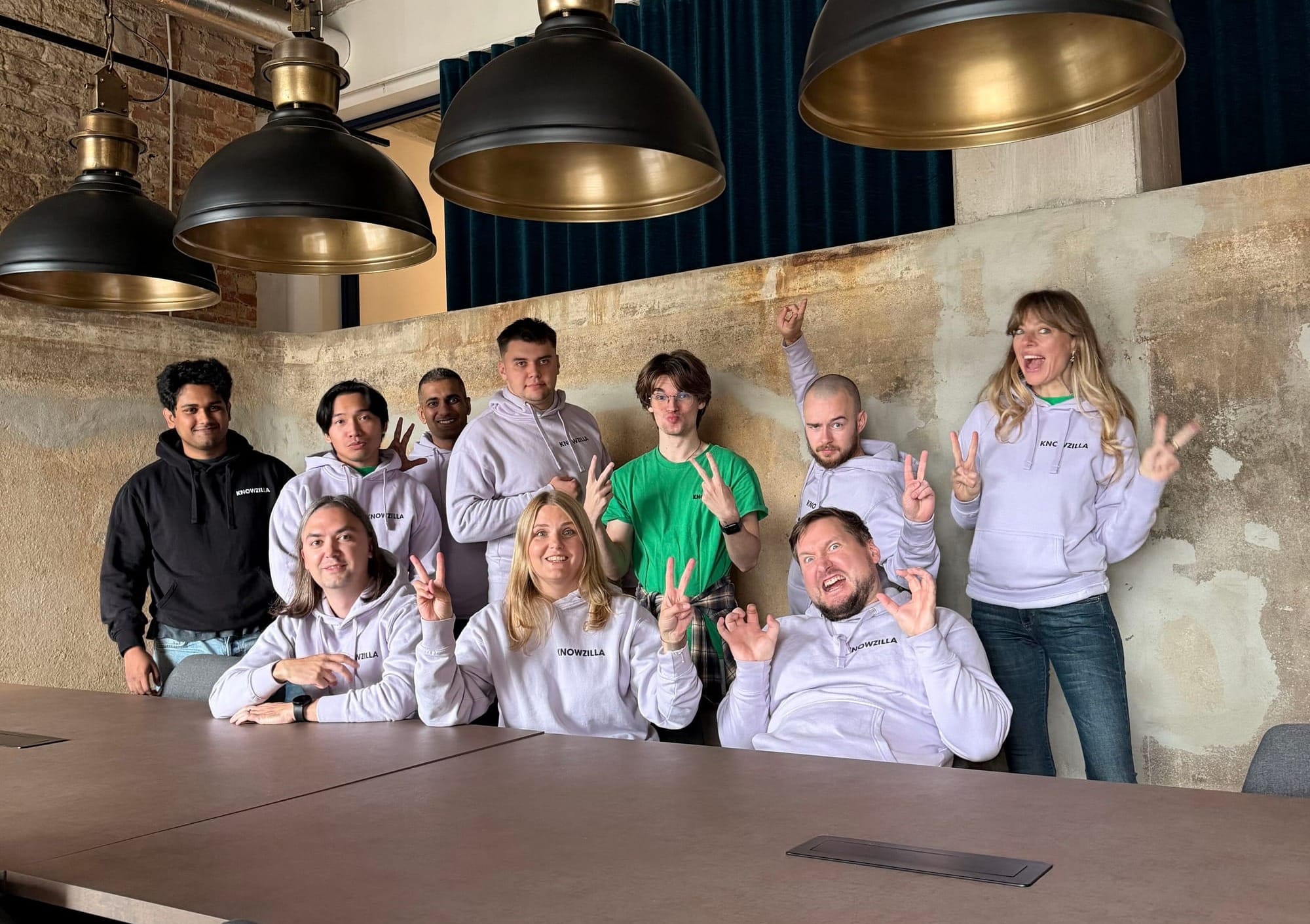
I love the Estonian startup ecosystem. We've built something extraordinary for a country of our size. But I think we're missing something rather obvious: Why aren't we each other's first customers?
One of the biggest attractions of communities like Y Combinator and a16z, beyond capital and reputation, is access to other portfolio companies. These companies become each other's early customers, testers and champions.
Imagine you've just launched a product. Instead of spending months convincing strangers to take a meeting, you have hundreds of founders willing to give it a try. Some become paying customers. Others tell you why your product sucks. Both are incredibly valuable. If it's good, they'll introduce you to others. If it's terrible, you'll find out quickly enough to fix it.
It's not charity. Nobody should buy bad software just because they share an investor. It's about giving each other a genuine opportunity.
Estonia has around 1,500 startups. Imagine if even a fraction actively tested and bought products from each other. How many companies could find their first 50 customers faster? Yet I don't see us doing this systematically.
Perhaps it's cultural. Estonians aren't exactly famous for enthusiastically approaching strangers and offering to help. Or perhaps I've been excluded from a very successful secret club. If so, please send me an invitation.
We attend events, congratulate each other on funding announcements and like each other's LinkedIn posts. That's nice, but LinkedIn likes don't pay salaries. Customers do.
I'd love to see our accelerators, investors and startup communities actively connecting companies commercially. Every portfolio company should know what the others are building. Every founder should have an easy way to find testers, customers and introductions. Not another networking event, but actual business.
Mesh Collective understood what networking should be
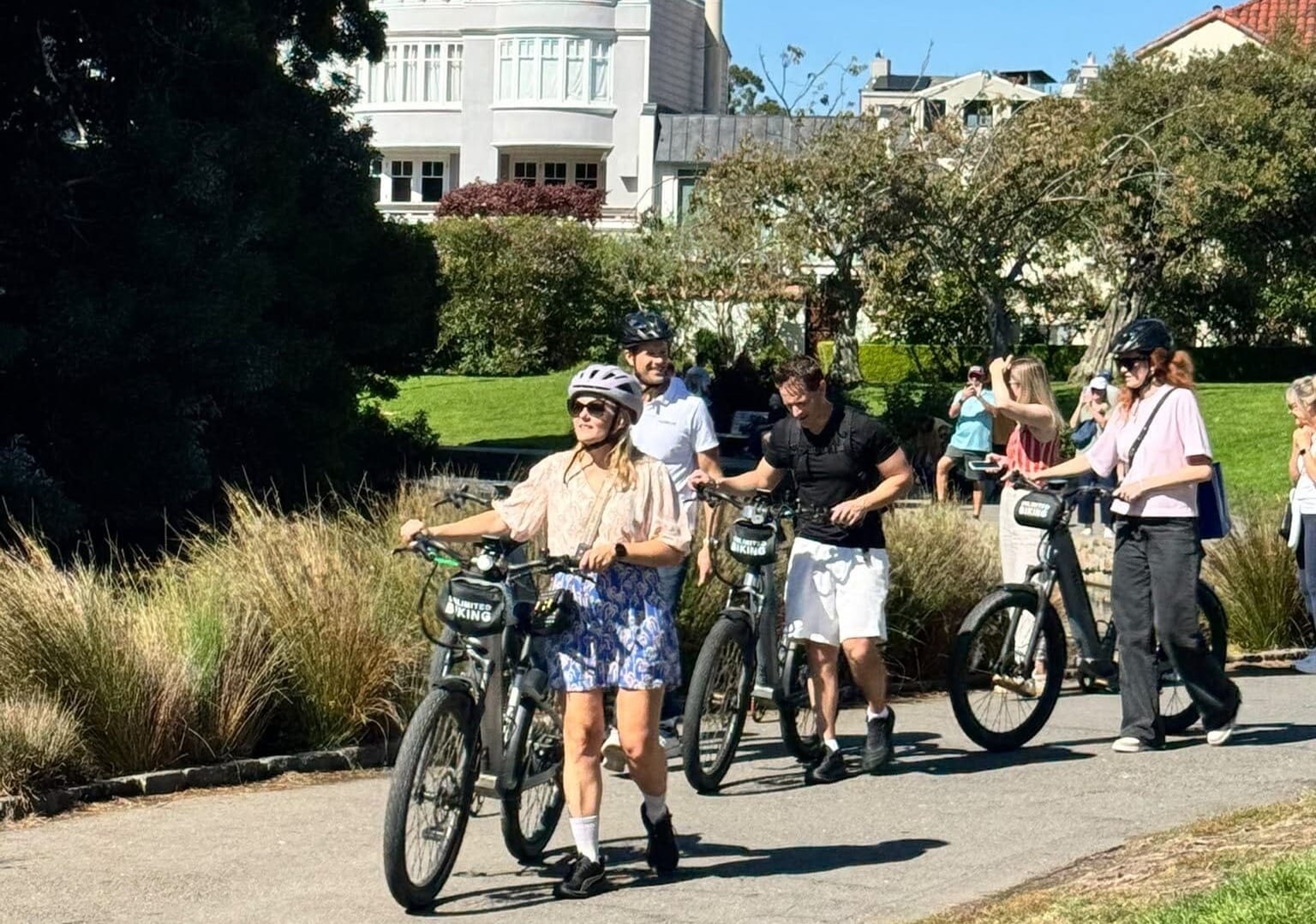
One of the highlights of the trip was spending several days with Mesh Collective. We went cycling, surfing, running up San Francisco's ridiculous hills, doing sauna and cold plunges, meeting investors and having dinners together. My flat-country feet were not prepared for those hills. Estonia is very flat, not my feet, in case anyone was wondering.
But the clever part was how the experience was structured. Most networking events consist of asking someone what they do, explaining what you do, exchanging pleasantries and moving on. With Mesh, you kept meeting the same people in different situations. You might discuss fundraising in the morning, cycle together in the afternoon and end up talking about life over dinner.
By the third conversation, you've stopped repeating your elevator pitch and started getting to know the person.
That's particularly important with investors. A VC relationship can last ten years or longer. You'll have disagreements, missed targets and difficult board meetings. You should probably know whether you actually like and respect each other before getting married financially.
Mesh created the space for those relationships to develop. I also came home with a Legend Award and the title of Ice Plunge Queen. Not sure how useful that will be for fundraising, but I'll take it.
We don't need to become Silicon Valley
For all my enthusiasm, I don't think Silicon Valley is paradise. The costs are absurd, the intensity exhausting, and the obsession with growth can come at the expense of things that matter. There's something strange about discussing billion-dollar valuations while stepping around very visible social problems outside the office.
I prefer many things about Europe. We place greater emphasis on quality of life, social responsibility and building societies where success isn't measured exclusively by the size of your bank account. I want to build a successful global company without believing that winning justifies every sacrifice.
But we shouldn't confuse our values with our limitations. Wanting a good quality of life doesn't mean we should build smaller companies. Being thoughtful doesn't mean we need to move slowly. And being humble doesn't mean we should be afraid to say we intend to win.
And let's not forget that we have some very real advantages over Silicon Valley, starting with costs. When I shared Knowzilla's monthly burn rate with people in San Francisco, the reaction was genuine disbelief. How is it possible to build what we're building with so little money?
Well, for starters, our rent isn't $5,000 a month and coffee doesn't cost $9. Although, admittedly, we're making steady progress towards both.
Jokes aside, our cost structure is a massive competitive advantage. We can build with exceptional talent, operate leaner and make investment capital last considerably longer. If we combine that efficiency with Silicon Valley's ambition, we have a pretty compelling proposition. We don't need to spend like Silicon Valley to build companies that compete with Silicon Valley.
I came home with new contacts, excellent feedback on Knowzilla and more ideas than my team probably wants to hear about. But the biggest takeaway was simple: we already have an extraordinary startup ecosystem. We just need to make better use of it.
Next time someone in your network launches a product, don't just congratulate them. Try it. If it's good, buy it. If it's bad, tell them why. If you know someone who could benefit, introduce them.
And if you're an investor with dozens of portfolio companies, perhaps the most valuable thing you can do this week isn't another mentoring session about pitch decks. It's helping two of your companies do business together.
Silicon Valley has plenty of things we shouldn't copy. But the belief that everyone around you can win, and that helping them win might help you too, is something we could use a lot more of.
Estonia doesn't lack ambition when it comes to talking about unicorns. We need to get better at turning that ambition into everyday action. And that seems like a rather stupid problem for a country as smart as ours to have.
P.S. I mean it, let’s collaborate. Reach out to me with your product, I will try it!
Liina Laas | The Builder Liina didn’t start Knowzilla to launch another SaaS tool; she started it because she was tired of playbooks nobody read and knowledge that lived only in a founder’s head. With a career spanning from early-stage chaos to Deel's hyper-growth, she now focuses on making sales enablement impossible to ignore. She brings a "no-BS" approach to turning messy founder knowledge into systems that actually scale.

Comments ()