
Traditional accelerators fight for relevance in the age of vibecoding and solo founders
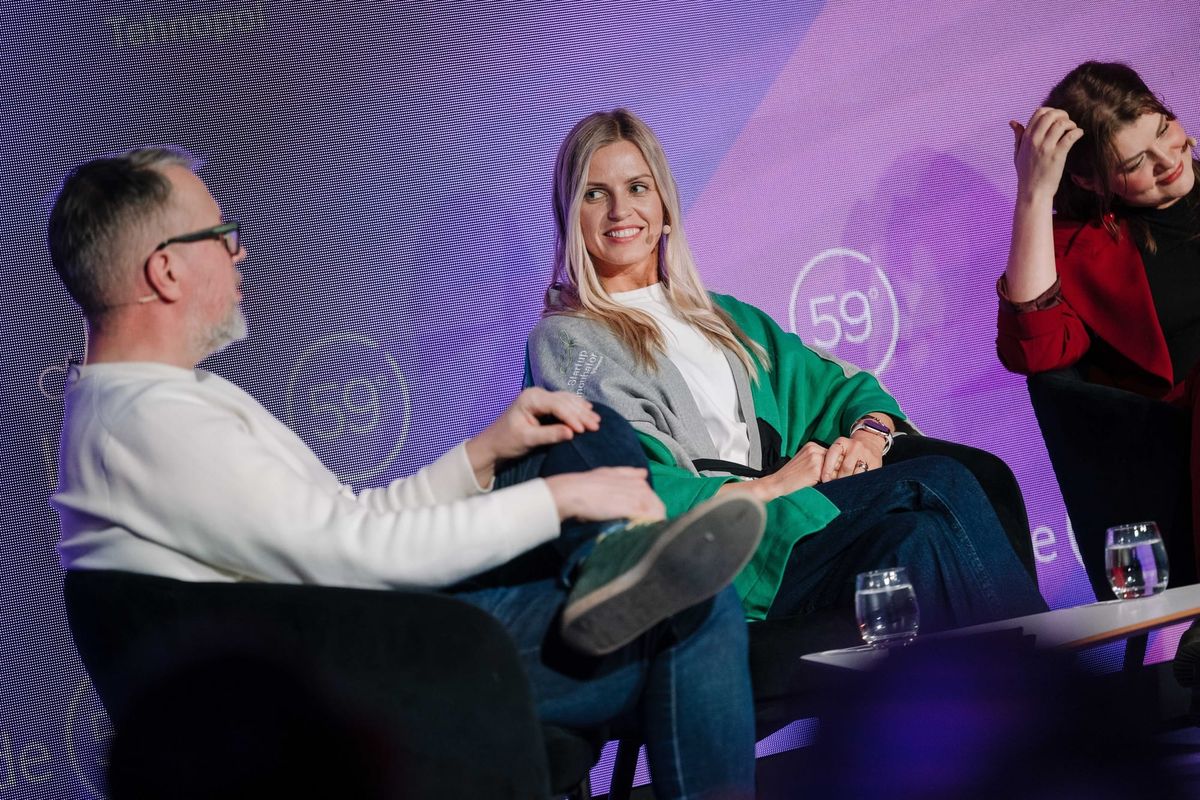
TALLINN — The traditional startup accelerator model is facing an existential crossroad as rapid advancements in artificial intelligence dismantle technical barriers, allowing solo entrepreneurs to launch companies with little to no human assistance.
At a Latitude59 panel discussion titled "If AI can build startups, how should we define the role of accelerators in the future," industry experts, investors, and founders debated whether the rise of AI-driven execution will render the conventional incubation ecosystem obsolete.
The Illusions of AI Performance
While generative AI models can now "vibecode" functional prototypes, panelists noted a significant gap between automated code generation and institutional-grade software development.
"If you ask real engineers, they say the code quality is at the level of slightly above average," said Linda-Riin Võeras, Investment Manager at Karma Ventures. "All of the average code in the world is kind of mashed in together... It’s a statistical model. It doesn’t have logic, it doesn't have understanding."
The shift toward AI-assisted development has triggered a wave of rebrandings across European technology ecosystems, as traditional frameworks are being repositioned to align with market hype.
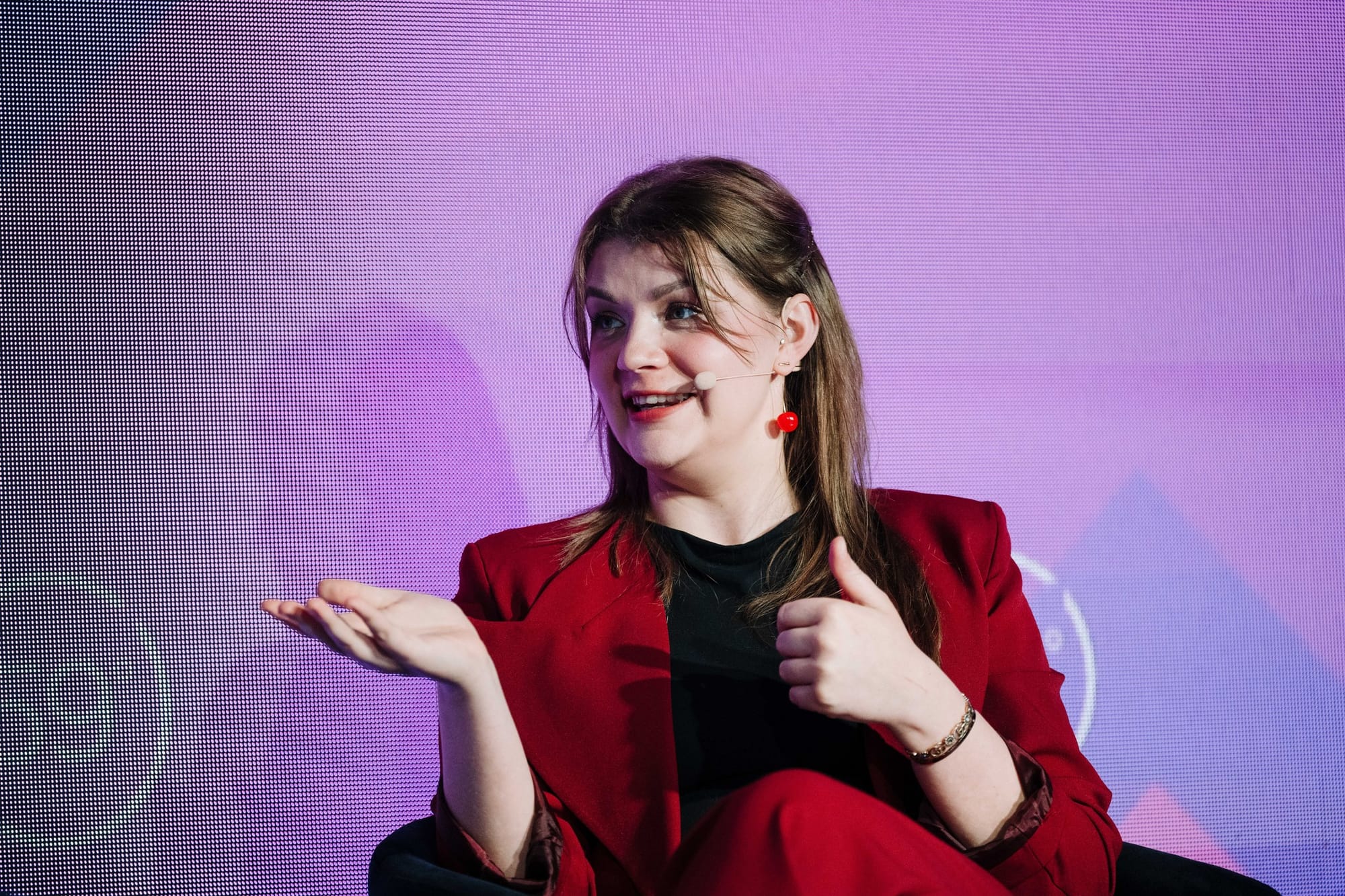
"Hackathons now are like hack houses," noted Anne-Liisa Elbrecht, the head of Tehnopol Accelerator. "We kind of like to reinvent the things that have been around a long time... we just slap a new name onto it."
The Solo Founder Vulnerability
The rise of the "solo founder" supported by an army of AI agents introduces new operational and financial risks for venture capitalists. Under standard due diligence, institutional investors remain highly sceptical of funding single-person entities due to the lack of human redundancy.
Investors warn that a company consisting of one human and multiple autonomous agents creates a fragile corporate structure.
"If you are a one-man company, your agents are the company," Võeras explained. "They need to run 24/7... If something happens, if you mess up, it's all on you. As an investor right now, I find it very hard to believe that I would be ready to take that sort of risk on one person. I cannot replace you. You are the company. If you're gone, I'm gone."
Despite the technical democratisation brought by AI, founders argue that human networks remain the most critical asset for navigating non-technical corporate hurdles, such as regulatory compliance, legal structuring, and strategic decision-making.
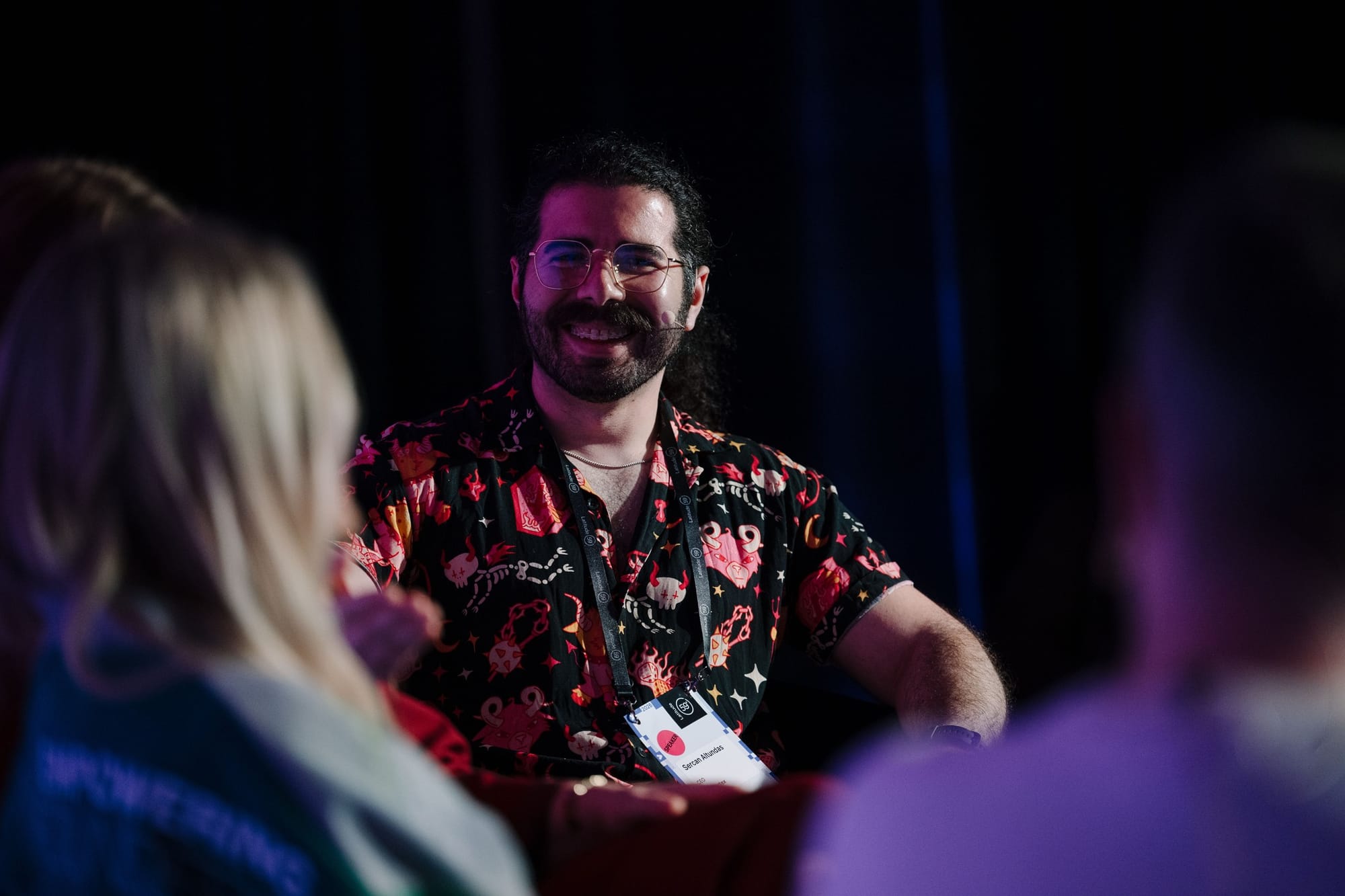
Sercan Altundas, technical founder and CEO of Neocortex, recounted his experience as a solo founder trying to close institutional deals without a broader executive team.
"Some big game companies wanted to work with me, then when they heard I was solo, they were like, 'Let's talk in the future when there is a team,'" Altundas stated. "So I even missed real opportunities because I was solo. If I get the flu, the shop is closed."
Ecosystem experts maintain that the modern accelerator's primary value proposition has pivoted from teaching technical execution to providing psychological containment and operational accountability.
"Early-stage startups are these two persons, so we are trying to be the whole team and push the founder team to actually go," Elbrecht said, describing the role of accelerators as an extended corporate team. "Today is not that 'how big is your market,' today is the question: 'how fast can you go actually?'"
Market Noise and Application Glut
The proliferation of accessible AI tools has led to a surge in AI-generated pitch decks and program applications, complicating the filtering process for venture funds and accelerator cohorts alike.
"We have seen several AI applications, and actually, if you think it's a good idea, then we are replying the same way with the AI," Elbrecht remarked regarding the automated influx.
Võeras added that reliance on generic AI tools frequently strips startups of their competitive differentiation, blending them into a sea of identical market propositions.
"So many founders are using pitch deck AI... they all look the same, they all have the same jargon, very, very similar. It's just part of the mass. You do not stand out," Võeras concluded.
Comments ()