HAAPSALU — For European technology startups looking to scale into regional and global champions, the chronic shortage of late-stage growth capital remains a central challenge. Founders often face a difficult choice: seek Silicon Valley-aligned capital or risk stalling out on growth tickets.
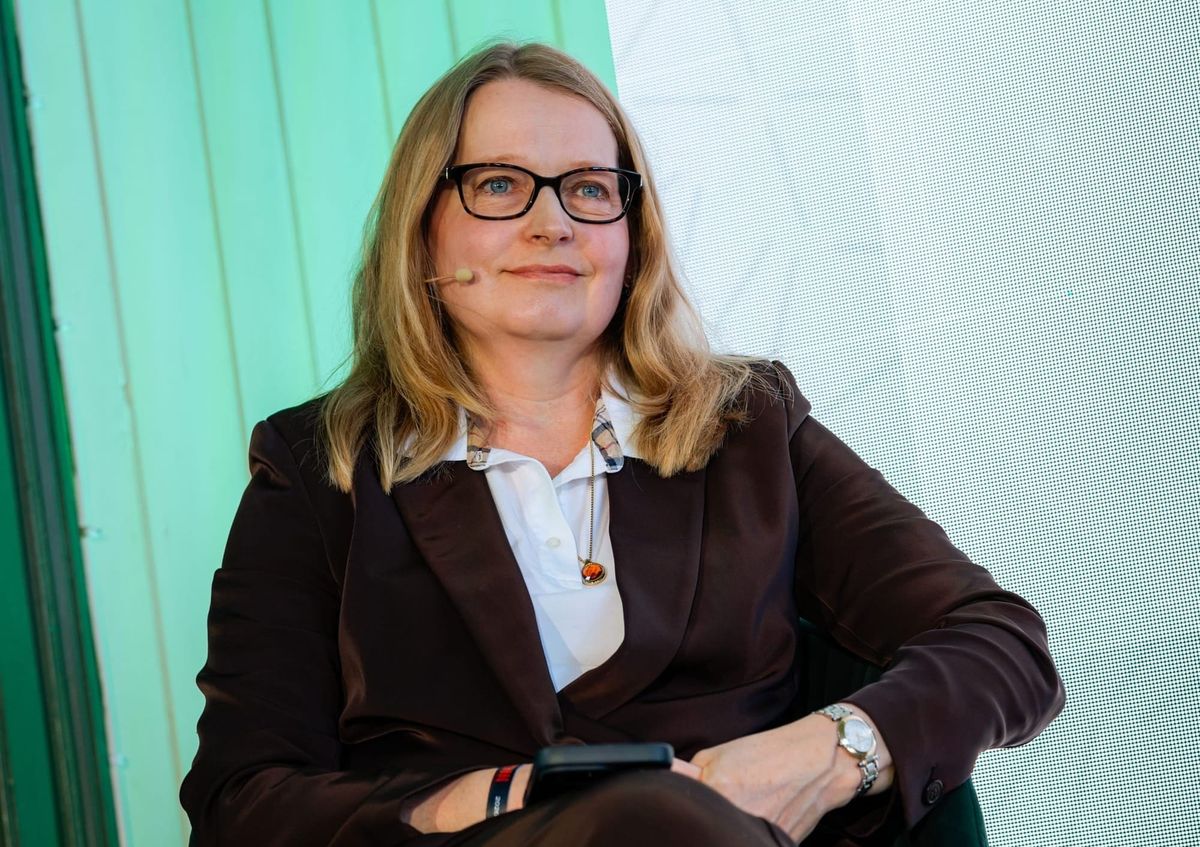
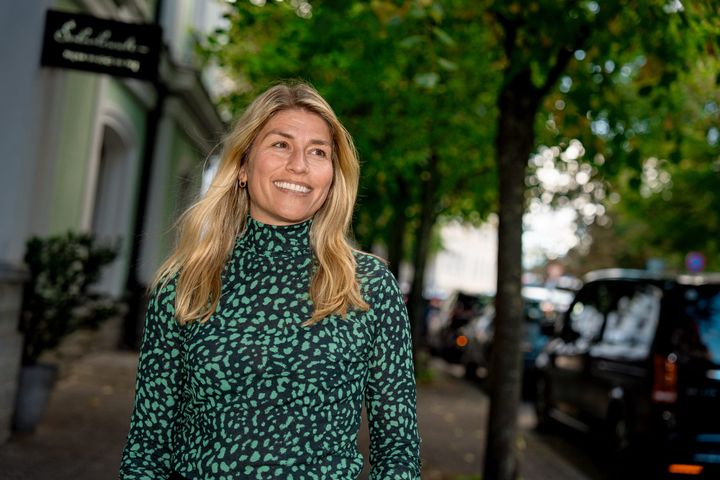
Fomo.Observer sat down (literally, on a park bench!) with Merete Clausen, Deputy Chief Executive at the European Investment Fund (EIF), on the sidelines of the Baltic VCA Summit in Haapsalu.
Headquartered in Luxembourg, the EIF acts as the primary risk-capital arm of the European Investment Bank (EIB) Group. Channelling approximately €16 billion annually into small and medium-sized enterprises (SMEs), the fund operates primarily by anchoring venture capital, private equity, and infrastructure funds, while also providing guarantees to financial institutions.
At the Baltic VCA Summit in Haapsalu, Clausen spoke with Fomo.Observer about the geopolitical pressures reshaping European supply chains, why border proximity should not deter Baltic investment, and how the EIF intends to partner with pension funds to bridge Europe's growth-stage capital gap.
What brings the European Investment Fund's senior management from Luxembourg to the Baltic VCA Summit in Haapsalu?
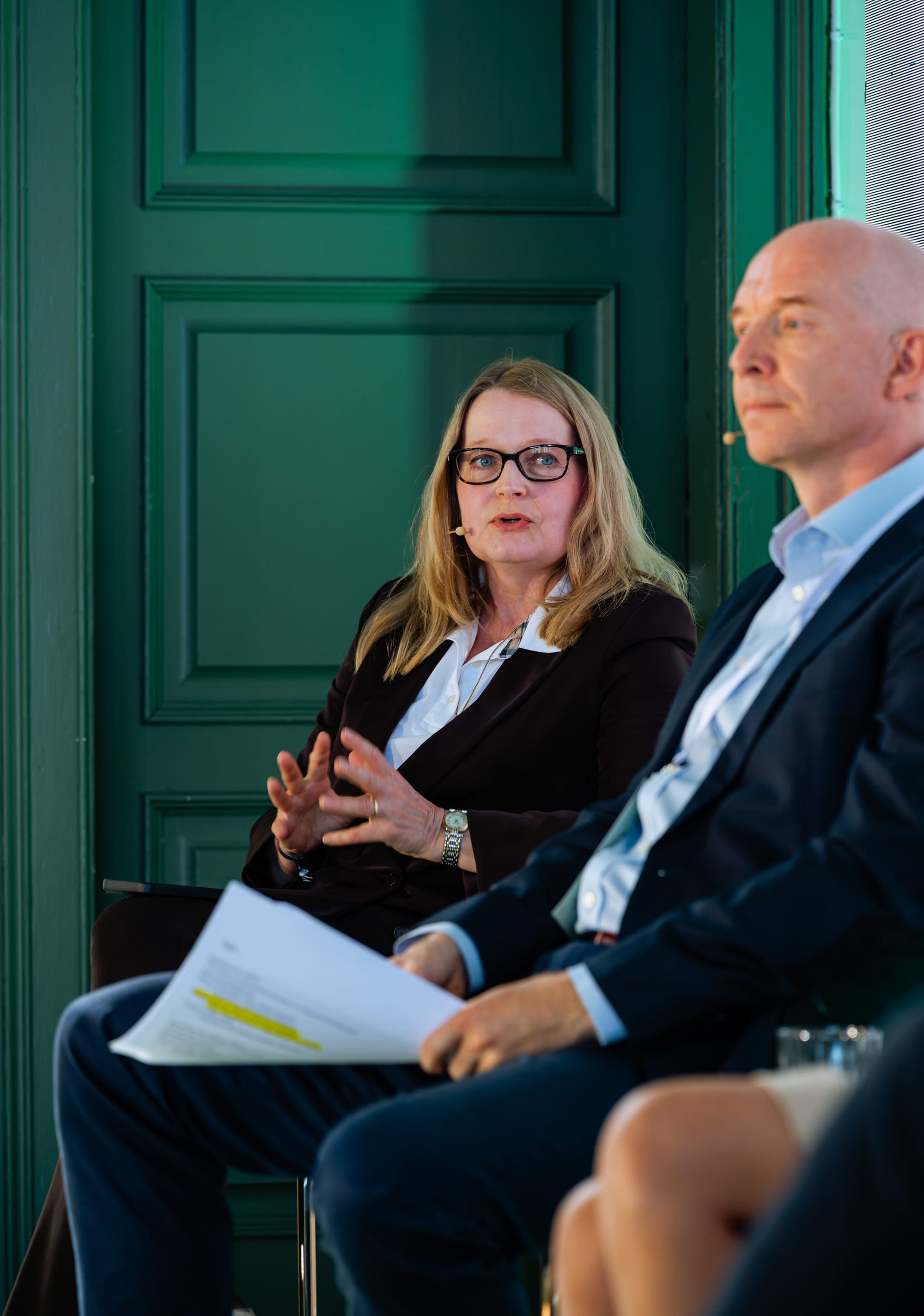
Merete Clausen: It's important that we also get out to talk to founders, entrepreneurs, funds, fund managers, LPs, GPs. We need to thoroughly understand the challenges they face and what is going on. While many of the challenges are common to all European countries, there are also some differences across regions in Europe. We need to be aware of those differences so that we can adjust our strategies, instruments and products to support the European venture capital ecosystem.
Does proximity to the Russian border negatively impact institutional risk assessments for Baltic startups?
Merete Clausen: I don't think we should only stress the negative impact here. The ongoing war and the fact that you're on the eastern flank don't have to be a deterrent for investments in the region. What is key is the level of innovation, and there Estonia is at the forefront.
What is crucial is that companies already think internationally from the outset, because they have to when their domestic market is very small. However, they should not necessarily have to always feel that they need to go to the US or outside Europe to secure financing. In particular at the later stages of growth, it's key to ensure that the European companies have access to European-level funds.
 Tarmo Virki
For founders and investors unfamiliar with the EIF, how exactly does the fund operate and deploy its annual financing?
Merete Clausen: We are the risk capital arm of the EIB Group, and we channel some €16 billion a year into innovative businesses and SMEs. We do this either through equity investments in funds such as venture capital, private equity, private credit and infrastructure funds, or through guarantees.
So we don't invest directly into companies. I sometimes use this analogy: you can give a person a fish, or you can teach them how to fish. Rather than directly investing in companies, we make sure that there is someone helping them access financing.
Is €16 billion a year sufficient to solve Europe's late-stage funding gap?
Merete Clausen: We often act as an anchor investor in a fund, which sends a strong signal to other investors that the EIF has carried out its due diligence and considers it a sound investment. That in turn provides reassurance and helps attract additional capital.
The €16 billion is split between guarantees and equity. The €7 or €8 billion that we invest annually in equity and funds typically generates leverage of four to five times.
How are shifting global dynamics — particularly concerning the US and China — affecting European tech investments?
What changed for us over the last couple of years is that there is a much stronger sense in Europe that we need, at least to some extent, to be more self-sufficient and build resilience. And it's not only about the transatlantic neighbours, but it's also about the war in Ukraine and about major players in Asia, particularly China. There is a certain awakening in Europe that we need to be able, to some extent, to have our own production and supply chains within Europe. Let's take deep technologies, climate technologies, health tech and digital tech. In all of these areas, we cannot depend solely on getting these capabilities from outside.
 Tarmo Virki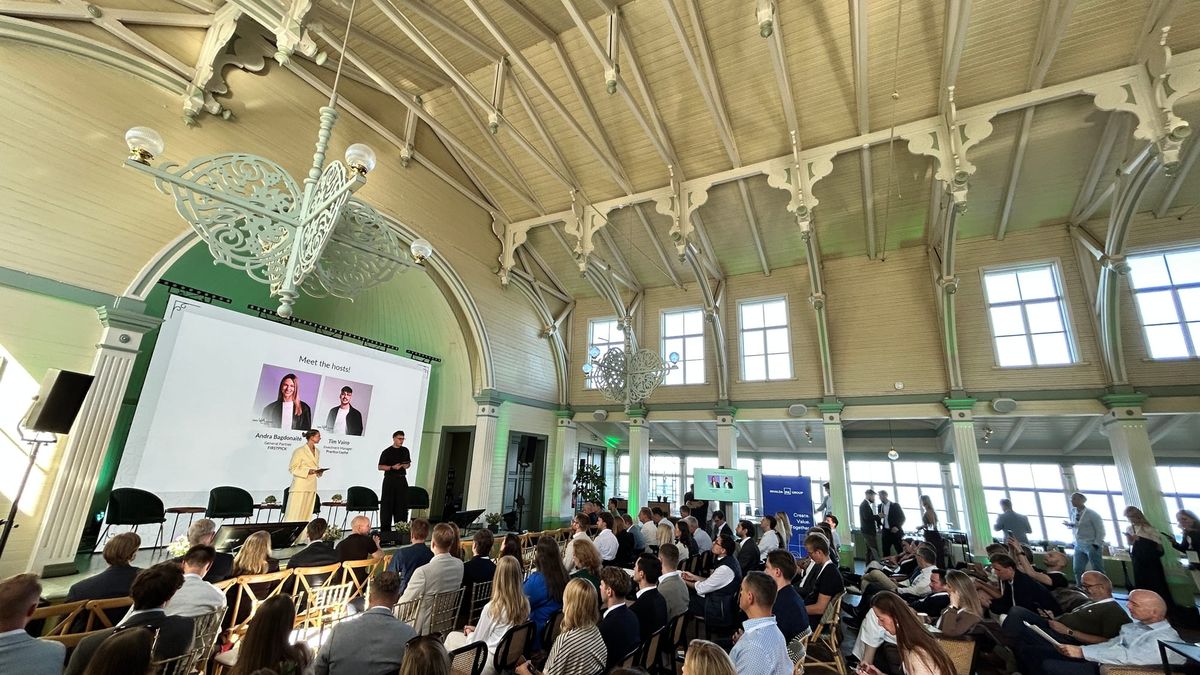
 Tarmo Virki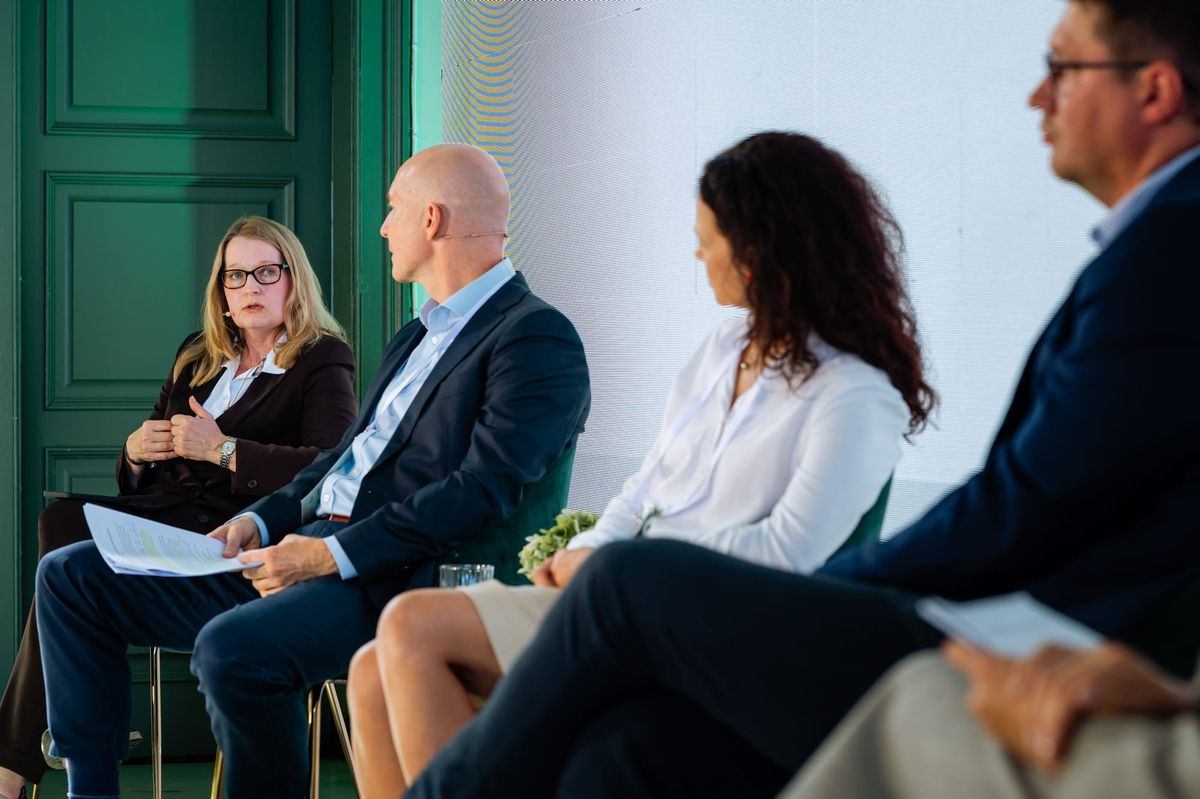
European pension funds currently allocate a fraction of their capital to venture compared to their US counterparts. How can the EIF help unlock that institutional capital?
We have been investing in funds in Europe for 30 years now. We have data on the performance of these funds, which demonstrates that returns from European venture capital and private equity are commensurate with what investors can achieve in the United States.
Secondly, what we can also provide them with is a higher level of diversification. If you invest in a fund rather than directly in a company, you naturally benefit from greater diversification. You haven't put all your eggs in one basket. And that is what we can provide across geographies, and we also invest across a broad range of sectors.
Are you increasingly managing mandates directly for these private institutional investors?
We also receive mandates from Member States, either for instruments focused on a particular Member State or broader regional initiatives such as the Baltic Innovation Fund. We are also increasingly receiving mandates from private investors, although this is an area that we need to develop much further.
We have had some experience with mandates from pension funds that we have managed, but we seek to develop that much more in the future. Our objective is to partner with institutional investors and help them feel more confident and comfortable in investing in VC or private equity as an asset class.
Comments ()