
As European venture capital scrambles to retain its top tech champions, local fund managers are turning their attention to the region's largest, yet most cautious, pool of capital: pension funds.
But unlocking these institutional billions is sparking fierce debate over political meddling, the rise of passive index investing, and how to balance national economic growth against the ultimate mandate of retiree returns.
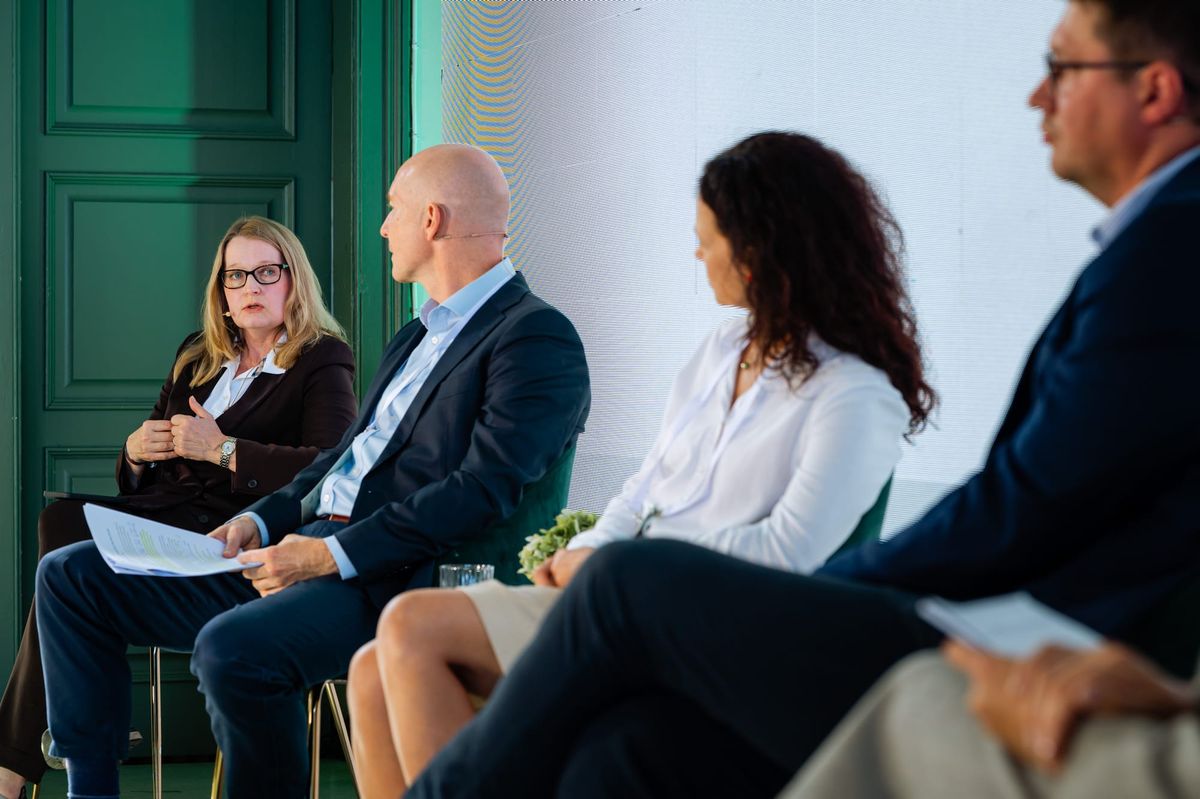
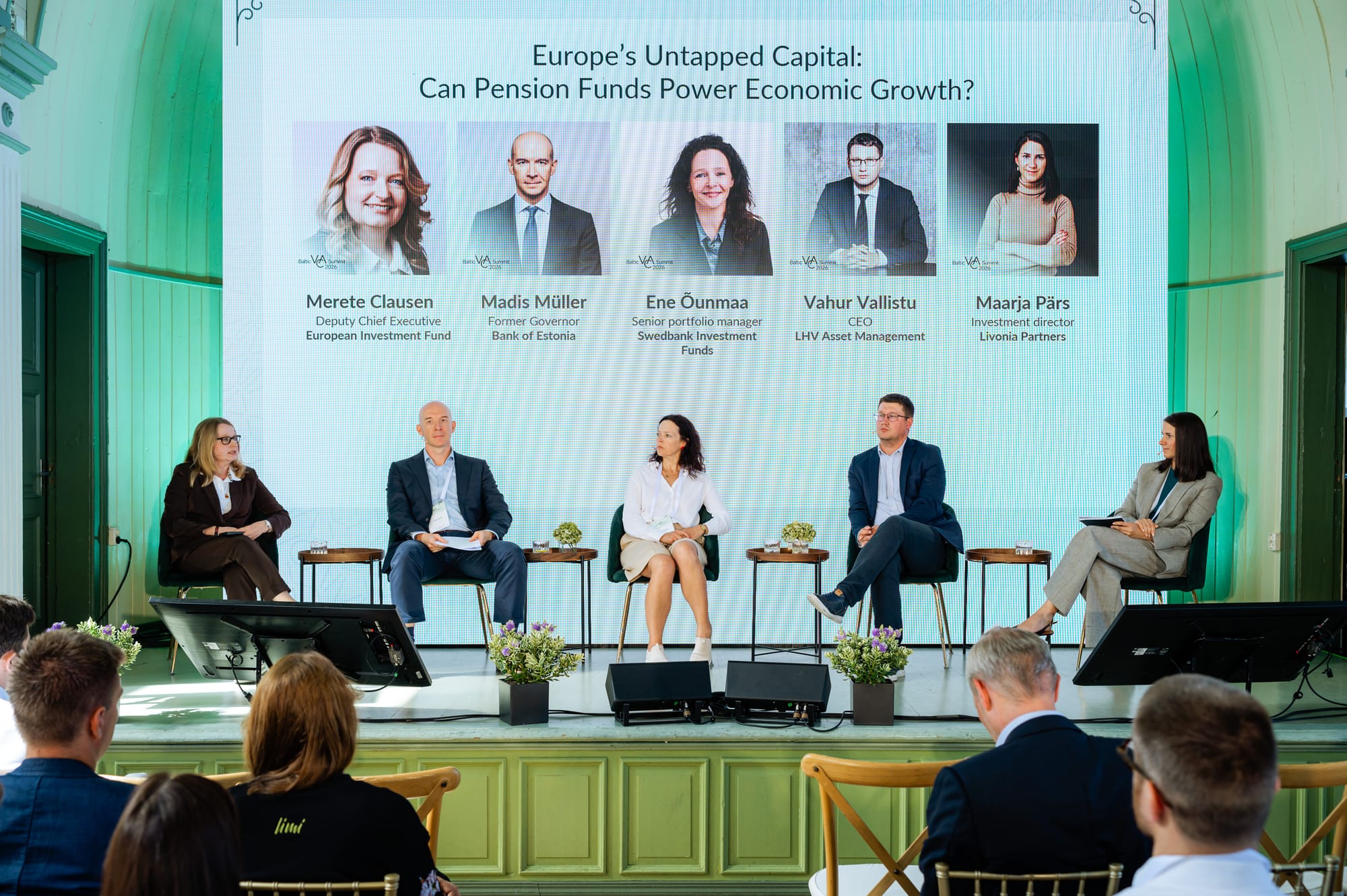
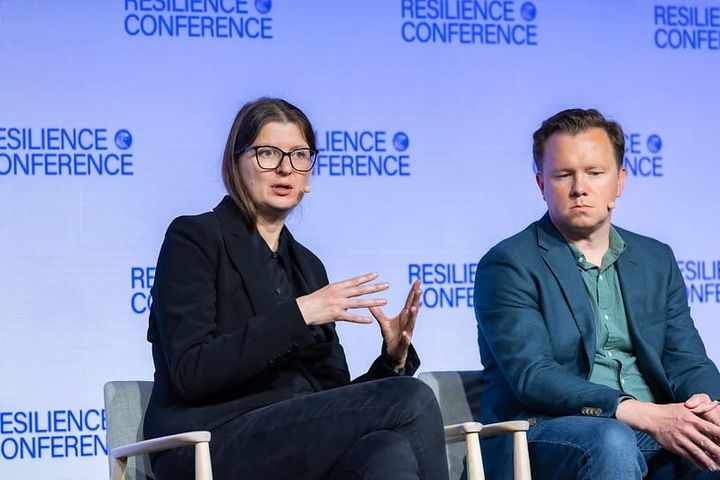
Speaking at the Baltic VCA Summit in Haapsalu during the panel “Europe’s Untapped Capital: Can Pension Funds Power Economic Growth?”, policymakers and asset managers outlined both the structural hurdles and a potential €500 million local capital injection awaiting the Baltic ecosystem.
The macro imperative and the productivity gap
Estonia’s economic backdrop is sobering. After a 3% contraction in 2023 and flat growth in 2024, the economy is expected to recover slowly, at roughly 2% in 2025.
Madis Müller, former Governor of the Bank of Estonia, warned that the region’s core issue is not just cyclical, but structural. Labour productivity in Estonia remains stubbornly stuck at around 80% of the European average.
"It’s not because we work less, but because we don’t use technology as wisely or effectively as Western Europe," Müller explained, noting that bridging this gap requires massive capital investment.
However, Müller voiced concerns over current capital flight dynamics within the pension system. "I am actually also worried about whether it is sustainable... when we test still relatively little domestically, and then we've seen those flows leaving." He warned that "if everyone ends up investing in index funds... that will create further problems for the system."
The pension dilemma: Returns vs. patriotism
For pension funds, the primary mandate remains clear: preserve and grow retirees' money.
Ene Õunmaa, Head of Pension Funds at Swedbank, emphasised that while Baltic alternative assets, like Private Equity and Venture Capital, are attractive, patriotism cannot override fiduciary duty.
"Investing locally is one of our values... but it doesn't mean we are ready to sacrifice returns," Õunmaa said.
She pointed out a growing behavioural challenge among clients: roughly one-third of Estonian pension assets are currently parked in passive index funds, driven by a consumer desire for low fees. Furthermore, she criticised the political volatility surrounding the pension system.
"We should have a stable system... political reform, not everybody trying to use the pension system in a populist way... about shopping tomorrow," she argued, noting that under stable conditions, Swedbank could easily increase its active local allocation to 20% from its current lower rate.
The scars of past political interference remain fresh. Next week marks the five-year anniversary of Estonia’s controversial pension reform, which allowed individuals to withdraw their pension savings.
Vahur Vallistu, CEO of LHV Varahaldus, offered a blunt assessment of that policy’s financial cost to regular citizens.
"Everybody who took their money out... €8,000 taken out would now be worth €25,000. It was not the greatest decision," Vallistu said.
Despite prioritising returns — which sometimes means looking outside the Baltics because of geopolitical risks or a lack of local fund capacity — LHV has still invested about €350 million across local asset classes. Currently, about 9% of the total second-pillar market is invested locally, amounting to around €800 million.
The growth potential is massive. Vallistu calculated that with the market growing at 10% annually, shifting just an extra 1% per year toward Estonian assets would inject an additional €500 million into the local ecosystem over the next five years. However, he cautioned that the market currently lacks enough new, high-quality local VC and PE funds to absorb that capital, as LPs are waiting for existing funds to exit and return capital before redeploying.
EIF’s solution: De-risking the asset class through diversification
Rather than forcing mandates, European institutions are trying to build structural bridges for risk-averse institutional capital.
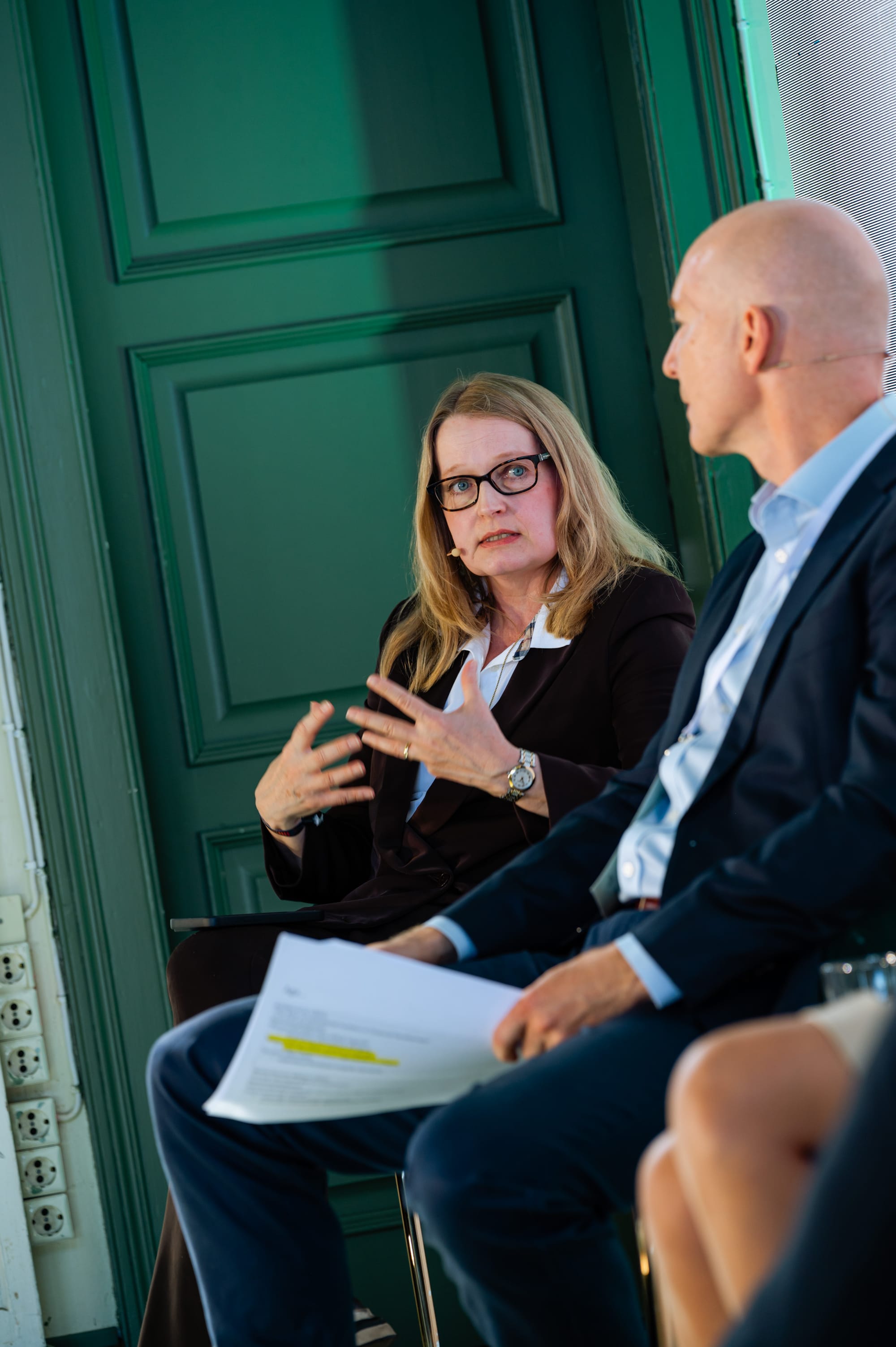
Merete Clausen, Director at the European Investment Fund (EIF), pushed back against the frequent criticism the venture community levels at institutional investors.
"We should have less pension fund bashing and start instead finding solutions for them," Clausen said during the panel.
She noted that typical pension funds simply do not have the 20-to-40-person venture capital teams required to conduct adequate due diligence on early-stage funds.
Speaking to Fomo.Observer following the session, Clausen emphasised that institutional investors require structural de-risking through broad portfolio diversification and experienced co-investment partners.
"If you invest in a fund instead of investing directly into a company, you will naturally have a larger diversification," Clausen explained. "You haven't put all your eggs in one basket."
According to Clausen, the EIF mitigates this risk across geography and key technology verticals—spanning digital, biotech, health tech, climate, and defence tech. Under pan-regional structures like the Baltic Innovation Fund (BIF), institutional capital gets exposure to high-growth regional startups paired with the EIF’s rigorous due-diligence standard.
Historically, EIF’s deployment capital has originated from public sources: risk capital mandates from the European Investment Bank (EIB), EU budget initiatives like InvestEU, and Member State contributions. However, Clausen said that the EIF is now actively expanding its capacity to manage mandates directly for private institutional investors like pension funds.
"We have had some experience with mandates from pension funds that we have managed, but we will seek to develop that much more in the future," Clausen said.
The institutional reality on cap tables
This shift toward pan-regional structures comes at a crucial moment. During the summit, market observers noted the irony that massive foreign institutional capital, such as the Teacher Retirement System of Texas, has already entered the funding rounds of high-performing Baltic startups, while local pension funds remain hesitant.
However, it is important to clarify how this capital is deployed. While local ecosystem players might colloquially say these massive U.S. pension funds are on their cap tables, they are rarely directly on the cap table. Instead, they deploy capital as Limited Partners (LPs) via global mega-funds, fund-of-funds, or specialised co-investment vehicles that ultimately fund the startup.
Closing that gap between local institutional capital and regional growth stories requires giving European pension managers the same structural cover to enter private markets safely.
Clausen saw strong potential in pension fund integration. "So we hope we can partner up and that they will feel more confident and comfortable with investing into VC or private equity as an asset class when they go together with us."
 Tarmo Virki
Comments ()