
Estonian tech entrepreneurs call for a halt to the forestry law change
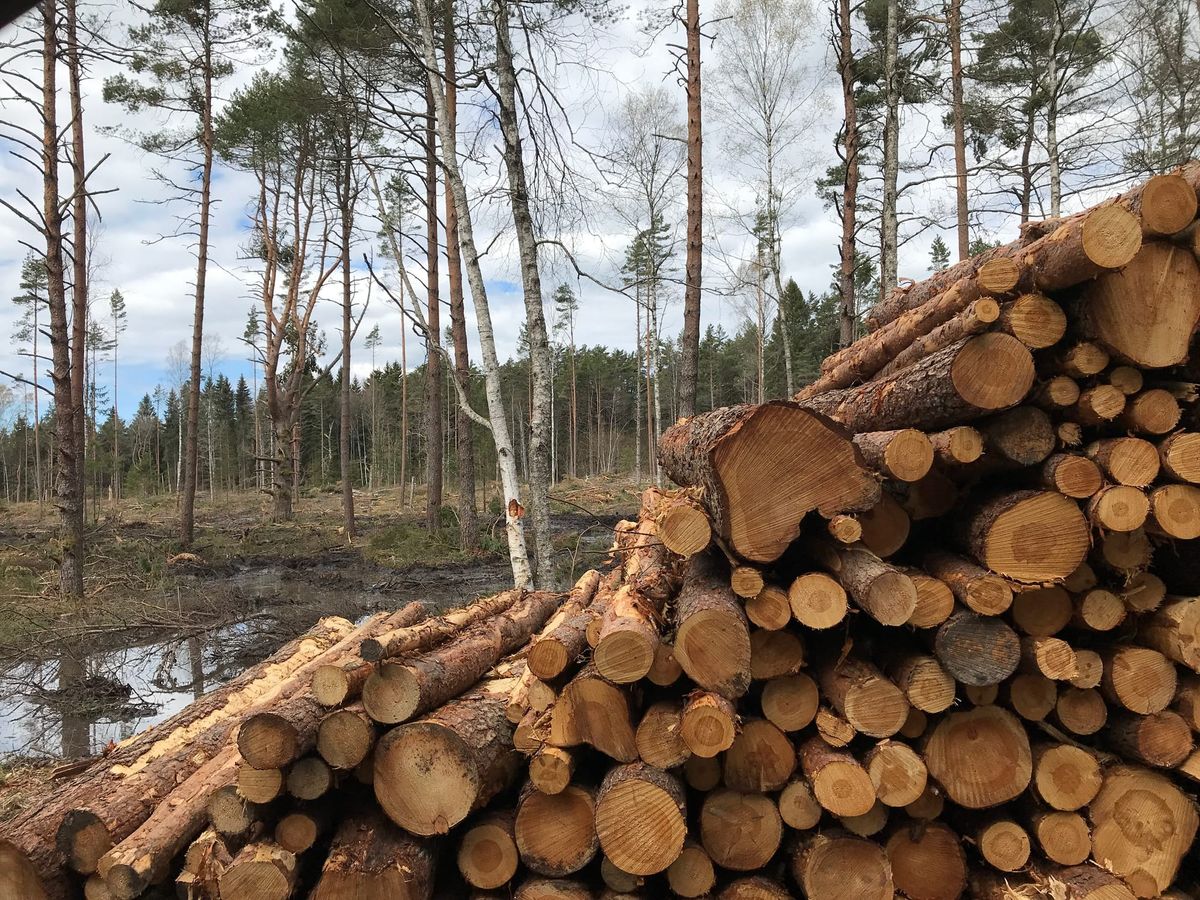
TALLINN — More than 30 leaders of Estonia’s technology sector have issued a sharp ultimatum to the government, calling for an immediate halt to rushed legislative amendments of the forest and nature conservation laws.
In an open letter, the founders and executives argue that the proposed changes lack sufficient impact analysis and threaten the long-term sustainability of the nation's natural assets for the sake of short-term foreign profit.
The intervention marks a rare foray into environmental policy by the startup community, which has historically focused on digital infrastructure and tax policy. However, the signatories – which include founders of Bolt, Wise and Pipedrive among others – argue that the "new economy" cannot remain silent while the "old economy" depletes the nation's natural capital.
"Spending the principal"
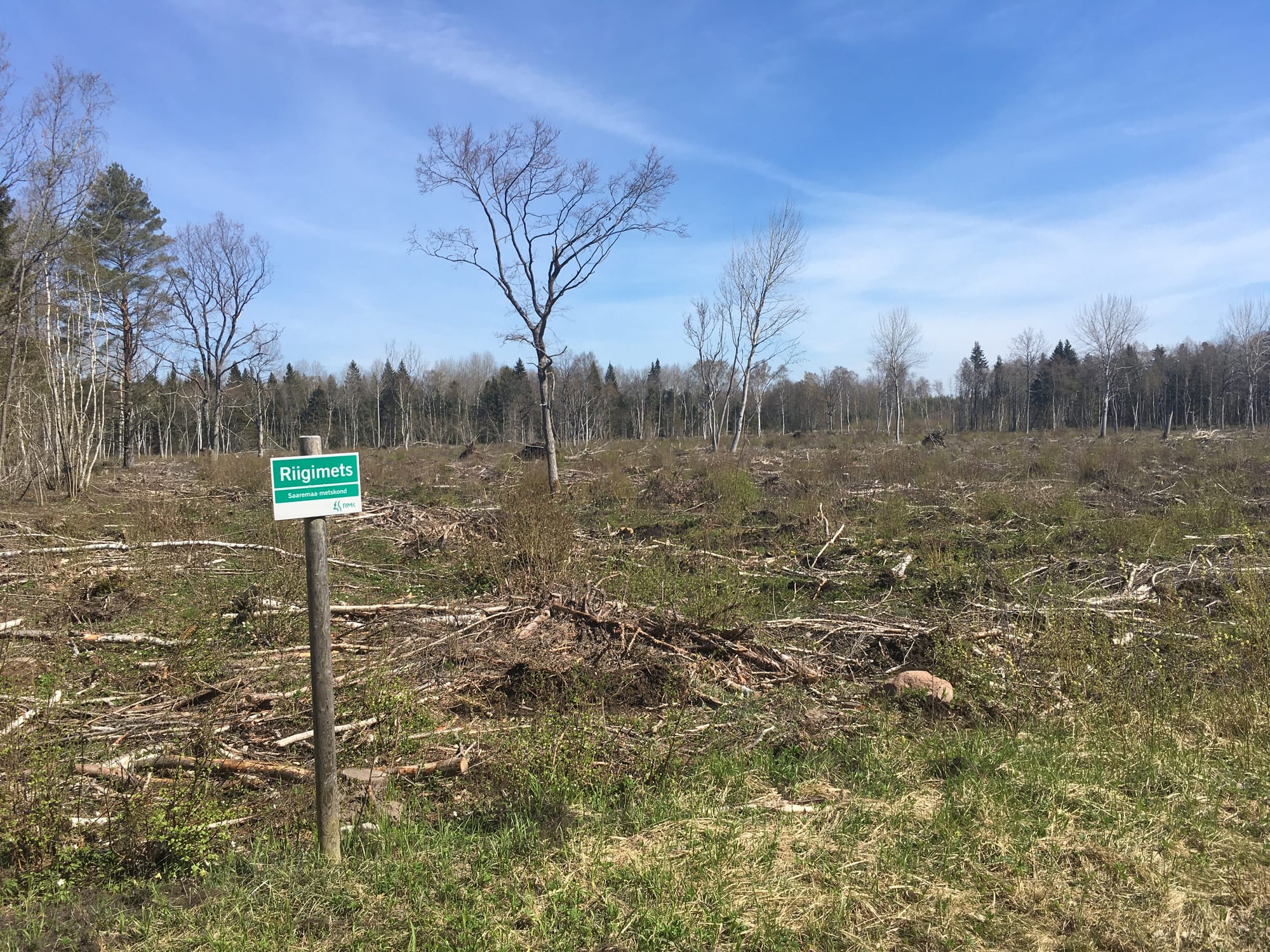
The core of the dispute centres on the rate of logging. The tech leaders point to data suggesting that recent harvests have consistently exceeded natural growth. According to state forecasts, the stock of managed forests is not expected to recover even by the year 2064.
"Today, we are not just using the increment of the commercial forest; we are spending the principal, living at the expense of future generations," the letter states.
The group warns that maintaining current logging volumes will become physically impossible by the 2040s or 2050s, rendering the current industrial model unsustainable even by the timber sector’s own metrics.
Public sentiment mirrors these concerns, with surveys indicating that 80% of Estonians favour reducing logging volumes.
Join the fight! More than 1,550 people have already signed the public initiative by concerned forestry professionals to stop the change to the law.
Capital flight and environmental debt
A significant portion of the tech sector's frustration stems from the ownership structure of Estonia’s timber industry. The letter highlights that an estimated 70-75% of the highest-turnover timber companies are foreign-owned.
"The profit from intensive logging moves out of the country, but the environmental damage, habitat fragmentation, and potential European Union LULUCF 'fines' are left for Estonian society to bear," the signatories noted.
The pressure on local forests has intensified following the loss of raw material imports from Russia and Belarus due to the war in Ukraine. The tech leaders argue that the industry’s attempt to replace these volumes with Estonian wood is pushing the local ecosystem beyond its "limit of tolerance."
Signees: Martin Villig, Kristjan Lepik, Kaarel Kotkas, Sten Tamkivi, Taavet Hinrikus, Markus Villig, Ahti Heinla, Tõnu Runnel, Kadri Tuisk, Triin Hertmann, Ragnar Sass, Martin Sokk, Rain Rannu, Andrus Purde, Kaspar Korjus, Anna-Liisa Palatu, Kaidi Ruusalepp, Rainer Sternfeld, Oliver Leisalu, Martin Rand, Hedi Mardisoo, Kair Käsper, Jüri Kaljundi, Katrin Liivat, Taavi Tamkivi, Märt Kelder, Kristjan Lind, Marek Kiisa, Kelly Lilles, Lars Trunin, Kristjan Maruste, Martin Tajur.
Critique of the "70/30" logic
The proposed amendments introduce a "70/30" logic that seeks to balance commercial forests and protected areas. The tech sector has slammed this as unscientific, arguing that it makes conservation dependent on economic quotas.
"If nature conservation becomes political and temporary, long-term vision and science-based management disappear," the letter warns, expressing concern that protected areas could be reduced in the future simply to maintain the commercial ratio.
The path forward
The collective of 31 entrepreneurs is urging the government to pivot toward high-value-added wood products rather than raw exports. Their demands include:
- An immediate halt to the current legislative proceedings due to inadequate stakeholder engagement.
- A commissioned independent economic analysis to evaluate the impact of various logging scenarios on Estonia’s international reputation and biodiversity.
- A strategic shift toward sectors that provide long-term value, such as design furniture and timber construction, while reducing one-time use products like pellets and pulp.
Drawing a parallel to recent legislative errors in the Gambling Act, the entrepreneurs warned that mistakes in forestry are far more permanent.
"Making a similar mistake with the Forest Act is many times more dangerous, because restoring natural resources does not take years, but generations."


Comments ()