
Meeting MarkeDroid: Mastering the laws of economics in energy world
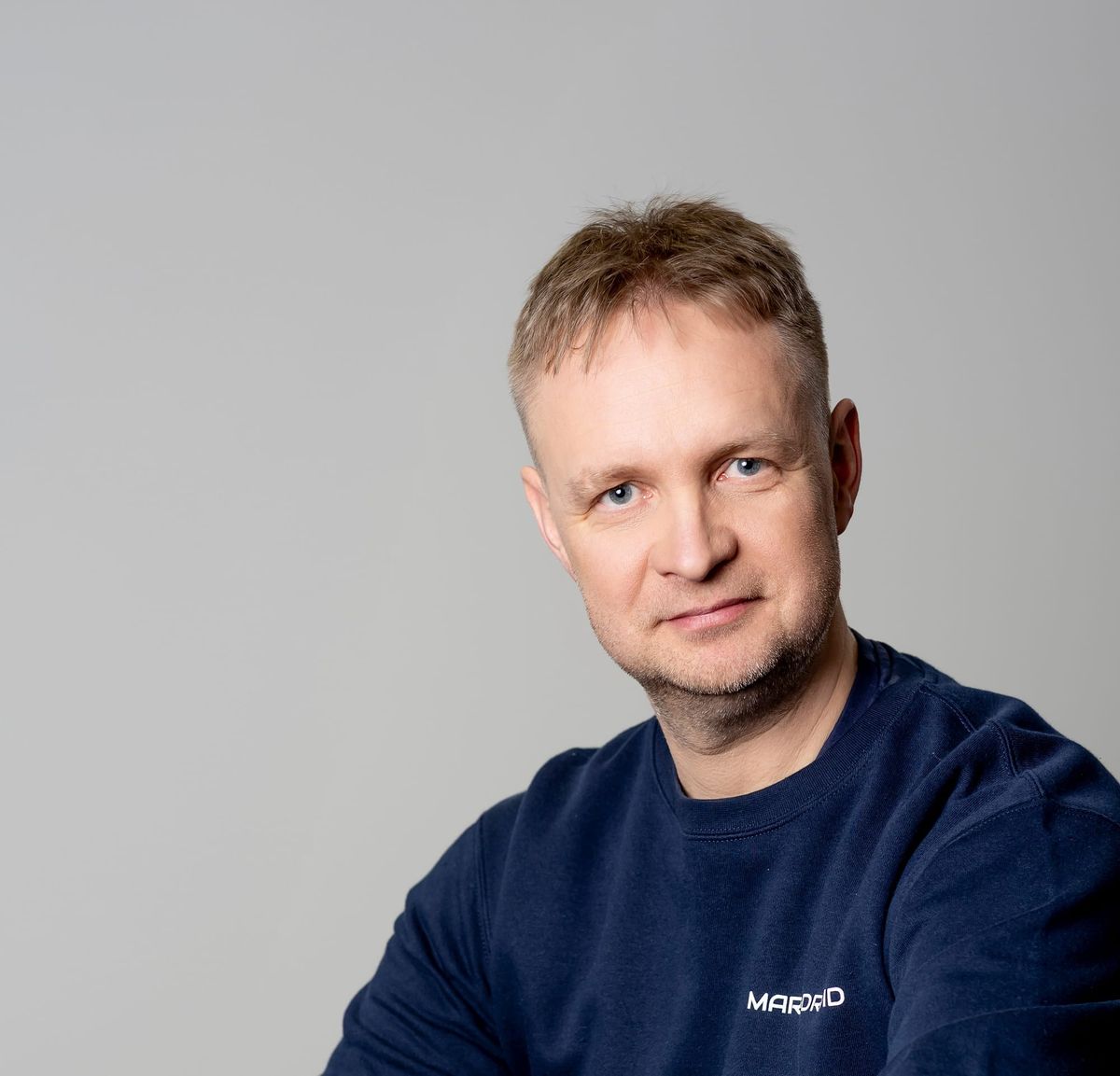
In the world of renewable energy, we often talk about the “laws of physics” — how many electrons a solar panel can capture or how quickly a battery can discharge. But for Toomas Kärner, founder of MarkeDroid, the real battlefield isn’tphysics; it’s economics.
As the world shifts toward a decentralised, green grid, the challenge isn’t just generating power — it’s knowing exactly when that power is worth something and when it’s a liability.
MarkeDroid has positioned itself as the “intelligent layer” that sits atop hardware, transforming static batteries into active economic participants. I sat down with Toomas at their offices in Ülemiste City, where the view from the vast windows serves as a timeline of their progress.
"We started in the smaller offices in this building," Kärner says, gesturing toward the surrounding skyline. "Then we moved over to a larger office there, which we soon grew out of." That physical expansion mirrors the company’s fast growth over the last couple of years.
The Problem: The “California Duck Curve” and Market Chaos
As solar and wind production increases, it creates massive price volatility. In markets like Estonia, which use 15-minute price intervals, this creates a phenomenon known as the “Duck Curve.”
“During the day, production is very cheap... there’s no CO2 cost, no fuel cost,” Kärner explains. “The price of this investment is dropping. This is even more pushing down the prices in the midday when the sun is up.”
However, when evening falls and the sun sets, fossil-fuel plants must roar to life, causing prices to spike. For a“dumb” battery, this is a nightmare. It might charge when prices are high or be empty exactly when the owner could have sold energy back to the grid for a profit.
The Solution: Moving Beyond Physics
A battery governed solely by the laws of physics reacts: if there is excess power, it charges. MarkeDroid replaces this with an AI-driven learning mechanism focused on economic laws.
“We want to manage it properly... if you manage those energy flows based on rules of economics instead of laws of physics, you get the benefit of economics,” says Kärner.
“Putting energy into a battery from a solar park during a morning price peak is very dumb. You should sell it then and charge during the midday negative pricing instead.”
MarkeDroid’s AI learns everything about a site — consumption patterns, production forecasts, and real-time market pricing — to create the “perfect plan” for every 15-minute window.

From “Sand on the Shore” to Industrial Power
MarkeDroid began by targeting residential customers, a group often overlooked by massive utility companies.
“In grid terms, they are just sand on the shore of the sea; they don’t matter,” Kärner notes.
By proving their model with thousands of homes first, they created a robust, scalable intelligence that they can later apply to industrial sites and factories. Today, they manage assets ranging from 5-kWh home batteries to 5-MWh industrial installations.
The Future: Grid Flexibility
The ultimate goal for MarkeDroid is Grid Flexibility. Beyond helping individual owners save money, MarkeDroid aggregates these batteries to support the entire grid. When the grid is under stress, MarkeDroid can instantly “flex” its connected assets to provide stability, earning compensation for the owners in the process.
“We aim to give the overall grid flexibility to react to the situation,” Kärner explains. “If the grid finds a need and the price is right, they can use your storage ... and you will be compensated.”


Comments ()