
Meet the founder mixing supply planning with AI agents
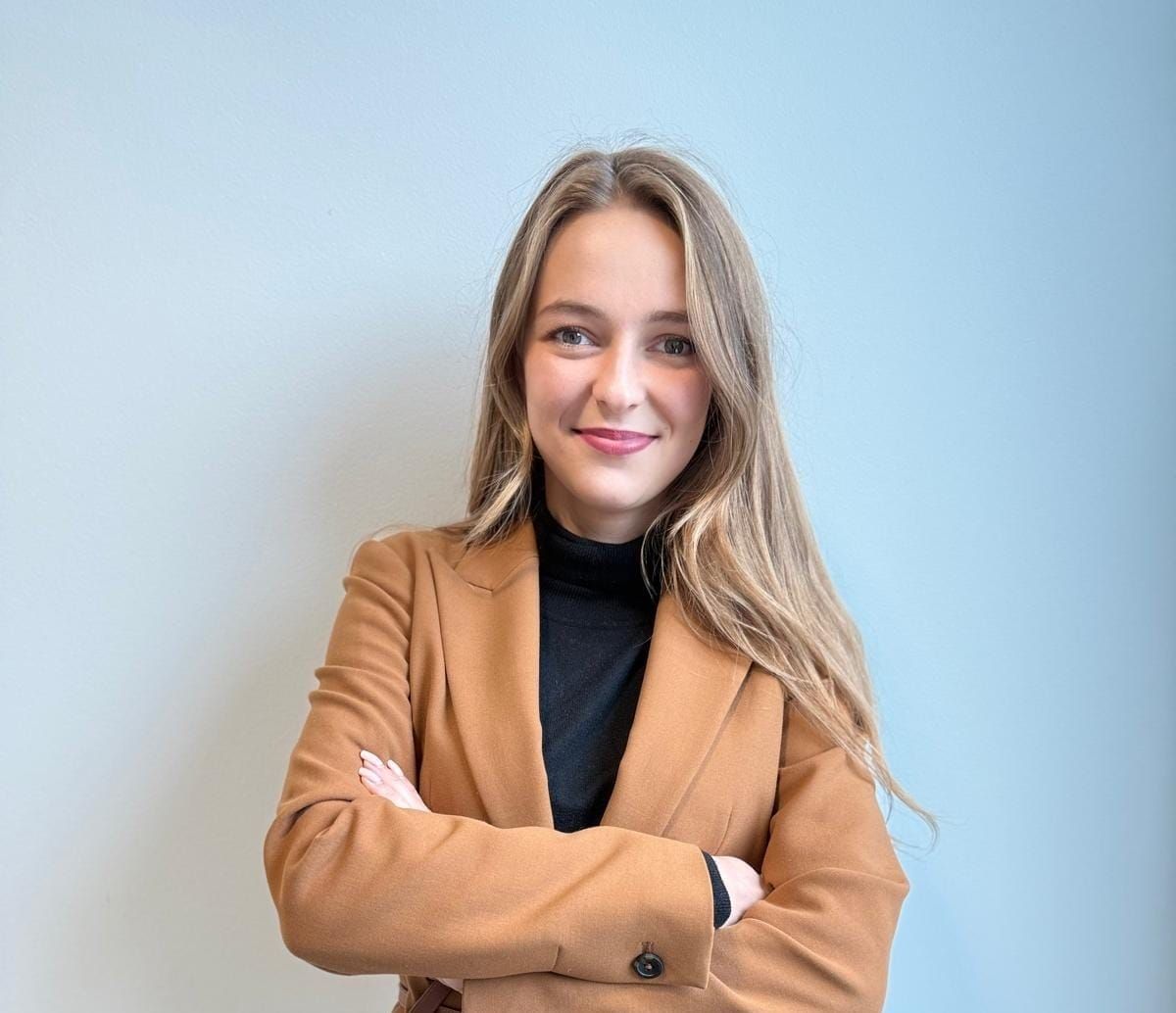
From Tallinn to London, and back. Lately Fomo.Observer caught up with Melanie Rannula to talk about founding her latest venture, landing Pleo and what inspires her to succeed.
Rannula is the founder and CEO of Leio, a digital supply planning assistant for food and beverage producers. It’s a small team of herself and two founding engineers, and they are building their AI agent in ruum, in Tallinn’s Kruli quarter.
Being from a unicorn-laden country is something Rannula finds inspiring on her journey to building the best tool for the food and beverage industry since the invention of sliced bread (or whatever makes the bread sliced!!). She says the unicorn trail in Estonian “lays the pathway for others - it doesn't mean it's easy, but it shows it's doable.”
A Tallinn native, Rannula always had designs on leaving Estonia when she was younger, with the desire to “go somewhere else and have a bigger impact in the world.” When it was time to go off to college, that opportunity presented itself through King’s College London, where she studied economics and management, then later a master's in Strategic Marketing at Imperial Business School.
Landing Pleo
With her network in London, she stayed after her studies to work, gaining experience in some exciting go-to-market roles. While she was studying, one of the companies she had on her wish list was Pleo; she’d been watching it and had even applied while she was still studying. As she "couldn’t go full-time", she didn’t get the job but was told to apply when she finished her studies. That was the same year Pleo became a unicorn, and she went straight from her master's to a job during a very interesting time at the company.
“From a learning perspective that's where I learned the ins and outs of sales, how to actually properly do it, [and I] really fell in love with it - and then obviously seeing the very hyper growth side of things like first hand as well as going from pretty much no structure because the team is smaller to suddenly you know close to 1000 people,” she says of her time at the spend management firm.
Founding Leio
This is not Rannula’s first time founding a company. She started a company back in high school with friends. It was a platform called Crufty, an online marketplace for Estonian fine art and prints. This gave her her first taste of what selling physical goods looked like. It may have even sprouted an idea she spent the next few years contemplating until the timing was right.
After seven years in London and a stint off travelling, the timing was right to return to Estonia. “I started to think, okay, it's probably time to give my thing a go, or at least try it out, right? Or even if I don't know exactly what to do, it's better to figure it out in Tallinn than in South Kensington, right?!” she says.
“I did loads of research interviews with supply chain managers and founders; we actually did over 150 interviews - essentially this is how it all kicked off - and kept hearing the same thing over and over again,” she explains. That one thing was solving the problem around procurement supply planning.
They got the first version of Leio together, had secured a company to try it out, and liked it, and it has all snowballed from there.
I’m curious as to why they chose the food and beverage industry to solve supply planning issues. It was simply down to the industry having the biggest problems to solve, taking production cycles and expiration of products into account, and that during her research “when we talked with potential users, they were the ones who were very vocal about it as well - earliest adopters is a good place to start from,” she says.
There is also an obvious sustainability aspect to what Leio provides in terms of reducing food waste. “I would say it's not the reason that customers come to us and buy it, but obviously it's a big byproduct,” she explains. Well, she did say she always wanted to make an impact!
Getting technical
“When you start a business, you have to be very clear on the problem you're going to solve - and the other part of this is validation. Is somebody going to pay for this? Getting the prototypes ready today is super quick,” she says. We are talking about how she started her tech company as someone who doesn’t code. She tells me she did vibe code an initial version to get feedback, until she met founding engineer Reio Sedrik.
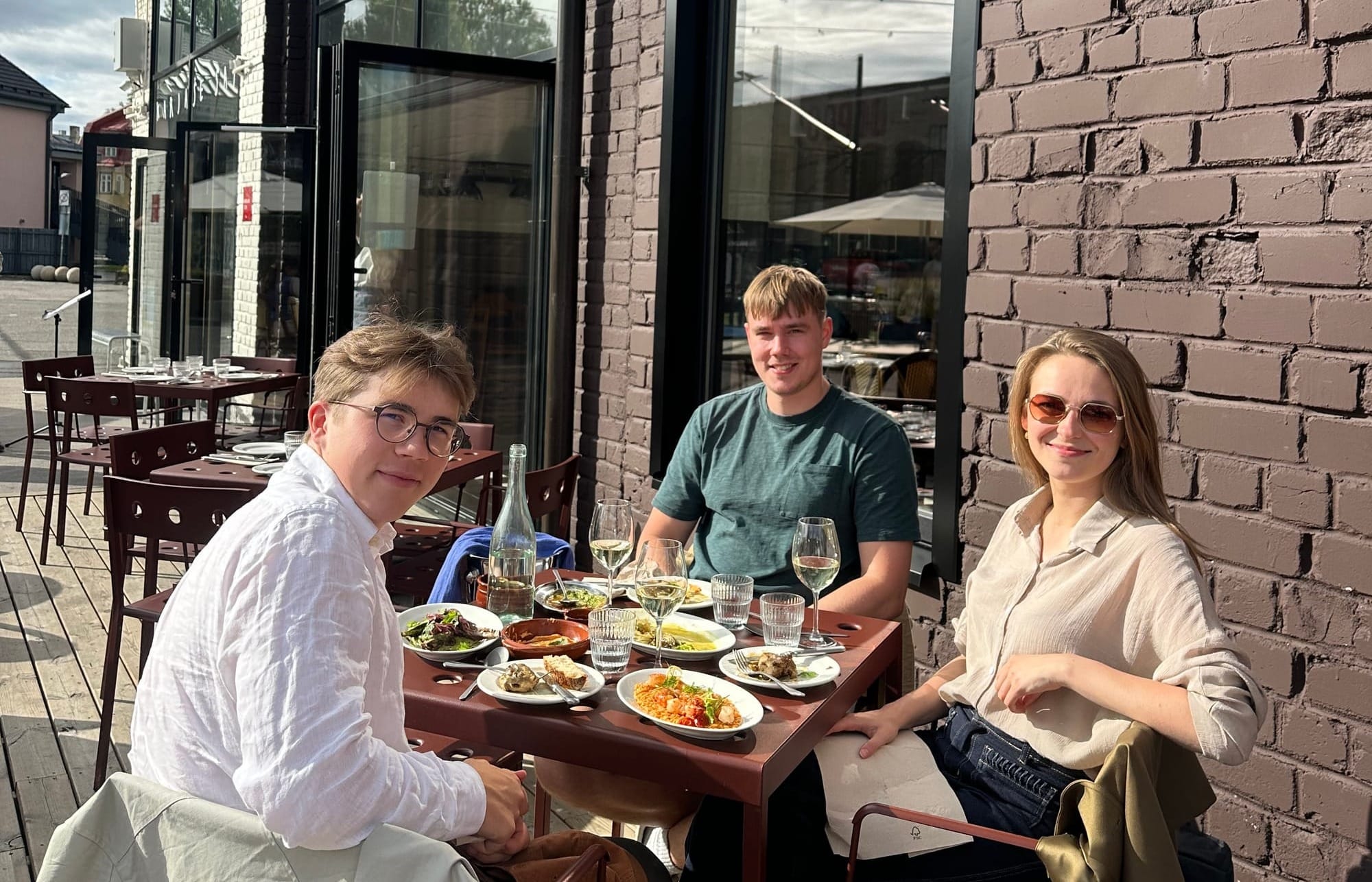
The pair then met Fred Kuiv through ruum as Leio was part of the first cohort at the hacker space. He later joined the team as a founding engineer.
ruum
Becoming part of ruum came from its founders, Liisa Jõerüüt and Helery Pops, reaching out to offer the opportunity. At first she thought it would be great to “accept the free office space for a few months, but honestly, it's been a great experience,” Rannula says.
“When you're so early stage, it's actually pretty good to be in the same room with other early stage startups, because you know when sometimes you feel like, oh, you're working so much, but it's always good to see when it's 11pm and you're in the office, you're not the only one!” she adds.
The dream
“Build something which will have the biggest positive impact as possible on the world and for the people as well,” she says when I ask what the dream is.
Aside from improving production, reducing waste, and “being optimal about it,” she says she wants this also for the good of the businesses using her AI agent. “Enabling them to grow a lot better as well, with good systems - from a personal perspective…people shouldn't do manual work that drains them; people should do things that add value, and I think it's pretty much going to be a win-win for everyone. So, yeah, that's the goal,” she adds.
Comments ()