
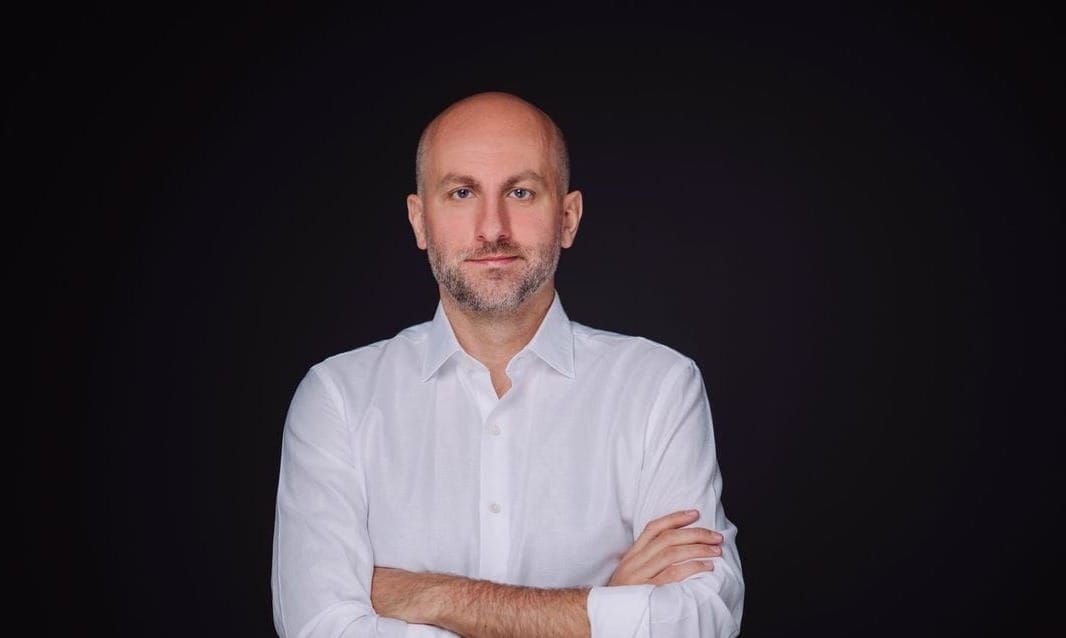
When I was told I’d be chatting with DrHouse, I was really looking forward to catching up with the Vicodin-munching, grumpy genius, but then the intro email came in with Ergo Sooru’s name on it, so I had to quickly change tack.
Sooru is the co-founder of DrHouse telehealth startup, developed in Estonia and deployed in the States. He’s neither grumpy nor Vicodin-dependent, and I’ll reserve calling him a genius; that’s for the audience to decide, but he’s certainly successful.
DrHouse was the best Estonian startup on the Sifted 250 list published last month, sitting at No. 27 with a 2-year CAGR of 424.6%. The second-best Estonian team was the fresh unicorn Blackwall at No. 123.
Sooru (originally Sõõru, but for an international audience he has dropped unique õ letters) is a serial founder, now on to his third startup after two exits. One was an online sporting goods store and the other, a CRM platform for medical device distributors. Both were built in the Baltics.
DrHouse goes Stateside
Four years ago, Sten Tarro and Sooru launched DrHouse in the US, a telehealth platform that has been an idea of Sooru’s since 2016. He finally made it a reality, then found out how challenging it was to do so in the States.
“When we launched Doctor House, we really didn't know anything about the U.S. market, and in a sense it was quite a blessing - because it's quite hard. You start discovering things that you didn't imagine.”
Pretty fast they learned that despite the U.S being one country that it’s run as 50 countries in one, with each state having their own laws. A learning curve for the company.
“We avoided a lot of misspent or wasted money because we didn't have a lot of money to do that. No investor, at first, believed in us because we're the guys from Estonia building a healthcare company in the U.S. managing it from Estonia,” he says.
When they launched, they didn't have their own clinics or doctors; they had to partner with other clinics. “It was quite difficult to provide 24/7 coverage or any coverage at all in some cases. And we learned from the process. Now we have our own clinics and almost 600 doctors. We cover all 50 states, but yeah, it has been quite a challenge.”
The DrHouse platform allows you to have a call with your doctor, then order your prescription to your door. Like Bolt Food for medication.
Swiss loyalty
The US was not actually the first choice of market for Dr House; Europe was on the cards, Switzerland, in fact. For a company like Dr House to survive, it needs a competitive health insurance market that discounts the Baltics straightaway, but Switzerland is a different kettle of fish. It has over 30 health insurance providers, but Sooru soon realised it was not the market for them. The Swiss are loyal to their primary care providers; that doesn’t help DrHouse.
“In the U.S., half of the population doesn't have their own primary care provider. They go wherever they can get care - it made more sense to start there,” he says.
Growth and talent
We talk about future plans of the company, and I ask if he’d be happy to be acquired; he replies that he’d prefer to do the acquiring. “We can also turn the company profitable immediately.”
But it's all about “maintaining healthy growth” right now, and one way to secure that was with one of DrHouse's latest key hires. Michelle Rider has joined the company as Chief Marketing and Growth Officer; she brings senior marketing experience at Teledoc, MD Live, and as CMO at Amazon Health.
Sooru tells me that it was “extremely difficult” to find talent for the DrHouse marketing projects in Estonia. “All our latest hires have been from the US, and I see that it's continuing in the future.” The developers are in Estonia, and he assures me that the team will remain that way. He jokes that “they are now expert HIPAA compliance developers”, referring to the first iteration of DrHouse, which was a HIPAA-compliant video platform for doctors and patients.
What’s next
They are currently fundraising and plan to close a Series A round in Q1 2027. Next, the company plans to enter the B2B market. So far, DrHouse has been 100%. “By B2B market, I mean we start selling to self-insured employers,” he says, predicting that a large chunk of future revenue will come from employers.

Comments ()